Buying Guide for the Best Ultralight Backpacking Solar Charger
Choosing an ultralight backpacking solar charger is all about balancing weight, charging capability, and durability. When you're out on the trail, every ounce matters, but you also want to make sure your devices stay powered for navigation, safety, and capturing memories. The right solar charger for you will depend on how much power you need, how much gear you carry, and the conditions you'll face. Understanding the key features will help you make a smart choice that fits your backpacking style.WeightWeight is a crucial factor for ultralight backpackers because every extra gram adds up over long distances. Solar chargers come in a range of weights, from very light models under 200 grams to heavier, more robust options. Lighter chargers are easier to carry but may offer less power or fewer features. Heavier chargers might provide more charging capacity or durability but can slow you down. To pick the right weight, consider how much you value a lighter pack versus your need for power. If you only need to charge a phone or GPS occasionally, go for the lightest option. If you have multiple devices or plan to be off-grid for longer, a slightly heavier but more powerful charger might be worth it.
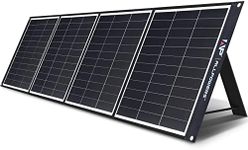
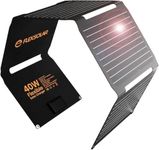
Power Output (Wattage)Power output, measured in watts, tells you how quickly the charger can generate electricity from sunlight. Lower wattage chargers (5-7W) are lighter and suitable for topping up small devices like phones or headlamps, but they charge slowly. Mid-range chargers (10-15W) can handle phones, cameras, and some tablets at a reasonable speed. High wattage chargers (20W and above) are best for charging multiple devices or larger electronics but are usually heavier and bulkier. Think about what devices you need to charge and how often. If you just need emergency power, a low-wattage charger is fine. For regular use or multiple devices, aim for a higher wattage.
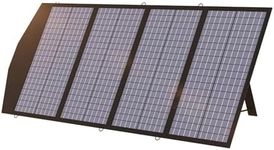
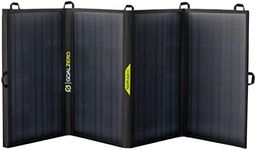
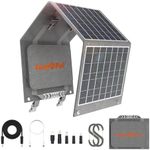
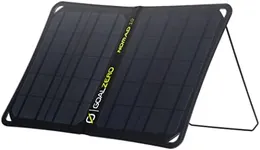
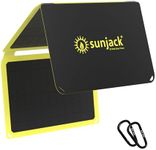
Portability and FoldabilityPortability refers to how easy it is to carry and use the charger on the go. Many backpacking solar chargers are foldable, allowing them to pack down small when not in use. Some are rigid and less compact. Foldable designs are great for saving space and attaching to your backpack while hiking. Rigid panels might be more durable but can be awkward to pack. If you want to minimize bulk and maximize convenience, look for a charger that folds up neatly and has attachment points for your pack.
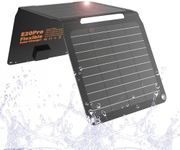
Durability and Weather ResistanceDurability and weather resistance are important because your charger will be exposed to the elements. Some chargers are made with rugged materials and have water-resistant or waterproof coatings, while others are more delicate. If you expect to hike in wet or rough conditions, choose a charger with good weatherproofing and sturdy construction. If you mostly hike in fair weather and handle your gear carefully, you might get by with a lighter, less rugged model.
Charging Ports and CompatibilityCharging ports determine what devices you can connect to your solar charger. Most have USB ports, but some offer USB-C or even DC outputs for more specialized gear. The number of ports also matters if you want to charge multiple devices at once. Make sure the charger you pick has the right type and number of ports for your devices. If you only need to charge a phone, a single USB port is enough. For more devices or faster charging, look for multiple ports or higher-output options.
Integrated Battery vs. Panel-OnlySome solar chargers come with an integrated battery, allowing you to store energy for later use, while others are just panels that charge devices directly in the sun. Integrated batteries add weight but give you more flexibility, especially if you want to charge devices at night or in poor weather. Panel-only chargers are lighter but require you to charge your devices while the sun is shining. If you want the lightest setup and can manage your charging during the day, a panel-only charger is best. If you need power at any time, consider a model with a built-in battery.