Buying Guide for the Best Splitting Axes
When choosing a splitting axe, it's important to focus on how the tool will match your physical strength, the type of wood you'll be splitting, and how often you plan to use it. A splitting axe is designed to split logs along the grain, making it different from chopping axes or hatchets. The right axe will make your work easier, safer, and more efficient. Understanding the key features will help you select an axe that feels comfortable and performs well for your needs.Axe Head WeightThe weight of the axe head determines how much force is delivered with each swing. Heavier heads (around 4-6 pounds) can split larger, tougher logs more easily, but they require more strength and stamina to use. Lighter heads (2-4 pounds) are easier to control and better for smaller logs or for users who prefer less strain. If you plan to split large, dense wood, a heavier head may be best, but for smaller logs or frequent use, a lighter head can reduce fatigue.
Handle LengthHandle length affects leverage and control. Longer handles (28-36 inches) provide more power and are ideal for splitting large logs, but they can be harder to control, especially for beginners or those with less upper body strength. Shorter handles (18-28 inches) offer better control and are easier to use in tight spaces or for smaller logs. Choose a handle length that matches your height and the size of wood you'll be splitting; taller users and those working with big logs may prefer longer handles, while shorter handles suit smaller users or smaller wood.
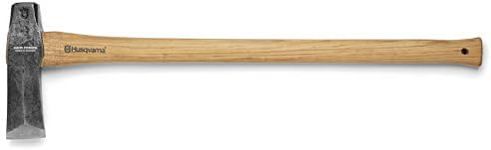
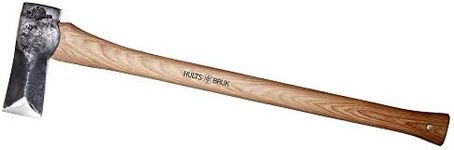
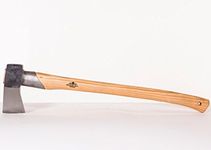
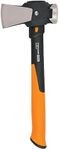
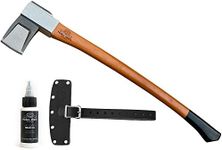
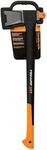
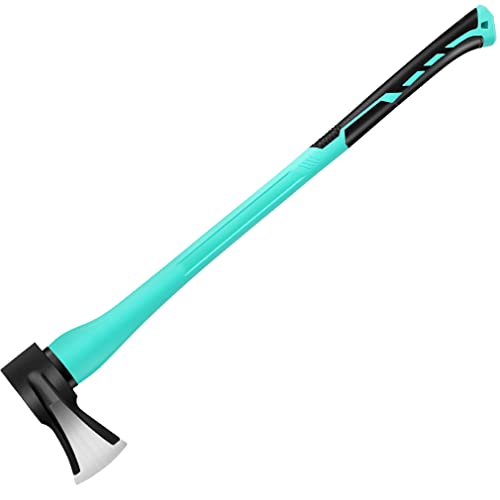
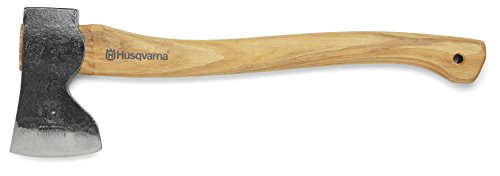
Handle MaterialHandles are typically made from wood, fiberglass, or composite materials. Wooden handles offer a traditional feel and absorb shock well, but they can break if misused. Fiberglass and composite handles are more durable and resistant to weather, but they may transmit more vibration to your hands. If you value tradition and comfort, wood is a good choice, but for durability and low maintenance, consider fiberglass or composite.
Axe Head ShapeThe shape of the axe head, especially the wedge, affects how easily it splits wood. A wider, more pronounced wedge shape helps force the wood apart, making splitting easier, especially for tough or knotty logs. Narrower heads may get stuck more easily but can be useful for smaller or softer wood. If you often split large or difficult logs, look for a wider wedge; for smaller or easier wood, a narrower head may suffice.
Balance and ErgonomicsA well-balanced axe feels comfortable and natural in your hands, reducing fatigue and improving safety. The balance point should be close to where the handle meets the head. Ergonomic handles with non-slip grips can also make the axe easier and safer to use. Try to handle the axe before buying, if possible, to ensure it feels right for your body and grip style.