Buying Guide for the Best Solar Bird Bath Pumps
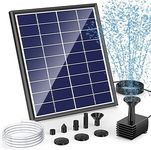
Choosing a solar bird bath pump is a great way to add movement and beauty to your garden while attracting birds and keeping the water fresh. The right pump can make your bird bath more inviting and easier to maintain, but with so many options, it’s important to understand the key features that matter most. By focusing on the main specifications, you can find a pump that fits your bird bath size, sunlight conditions, and the type of water display you want.Solar Panel Power (Wattage)The solar panel power, usually measured in watts, tells you how much energy the pump can generate from sunlight. This is important because it directly affects how strong and consistent the water flow will be. Lower wattage panels (1-2W) are suitable for small bird baths and areas with plenty of direct sunlight, but may struggle on cloudy days. Medium wattage panels (2-5W) offer a stronger flow and better performance in less-than-ideal sunlight. Higher wattage panels (5W and above) are best for larger bird baths or if you want a more dramatic fountain effect. To pick the right one, consider the size of your bird bath and how much sun your garden gets—if your area is often shaded or cloudy, a higher wattage panel will help keep the pump running reliably.
Pump Flow RateThe flow rate, usually measured in liters per hour (L/h) or gallons per hour (GPH), indicates how much water the pump can move. This affects how lively the fountain looks and how well the water circulates. Lower flow rates (up to 100 L/h or 25 GPH) are gentle and ideal for small bird baths, creating a soft trickle that won’t splash water out. Medium flow rates (100-200 L/h or 25-50 GPH) provide a more noticeable fountain effect, suitable for medium-sized baths. Higher flow rates (over 200 L/h or 50 GPH) are best for larger baths or if you want a strong, eye-catching spray. Think about the size of your bird bath and whether you want a subtle or dramatic water display—gentle flows are better for birds, while stronger flows are more decorative.
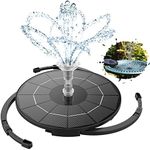
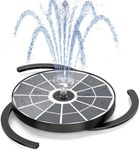
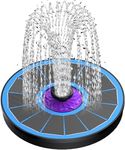
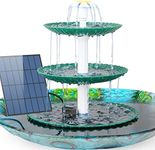
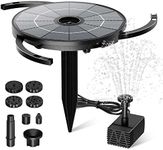
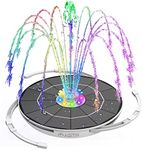
Spray Patterns and Nozzle OptionsMany solar bird bath pumps come with different nozzles that create various spray patterns, such as single jets, multi-streams, or gentle bubbles. This feature is important because it lets you customize the look and sound of your fountain, and can also help prevent water from splashing out of the bath. Simple nozzles create a steady stream, while more complex ones offer decorative patterns. If you want to change the appearance or sound of your fountain from time to time, look for pumps with multiple nozzle options. Choose based on your personal preference and the size of your bird bath—smaller baths benefit from lower, gentler sprays, while larger ones can handle taller or wider patterns.
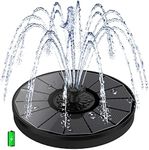
Built-in Battery BackupSome solar pumps include a built-in battery that stores energy, allowing the pump to run even when the sun isn’t shining. This is important if you want your fountain to work on cloudy days or in the evening. Pumps without a battery will only work when the sun is directly on the panel, which can lead to inconsistent operation. If you want a more reliable fountain that works throughout the day, especially in areas with variable sunlight, look for a model with a battery backup. If you’re happy with the fountain only running in full sun, a battery may not be necessary.
Pump Size and Installation TypeThe physical size of the pump and how it’s installed matter for compatibility with your bird bath. Some pumps are designed to float on the water’s surface, while others sit at the bottom. Floating pumps are easy to install and move, but may not fit well in very small or shallow baths. Submersible pumps are more discreet and stable, but require enough water depth to operate. Check the dimensions of the pump and compare them to your bird bath to ensure a good fit. Choose a floating or submersible type based on your bath’s size and your preference for visibility and ease of installation.
Maintenance and CleaningSolar bird bath pumps need regular cleaning to prevent clogs from debris, algae, or mineral buildup. Some pumps have removable filters or easy-access designs that make cleaning simpler. This is important because a clogged pump can stop working or reduce water flow. If you want a low-maintenance option, look for pumps with accessible filters or parts that are easy to take apart and rinse. Consider how much time you’re willing to spend on upkeep—if you prefer less maintenance, choose a pump with user-friendly cleaning features.