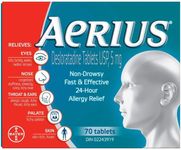
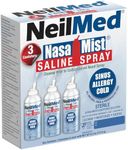
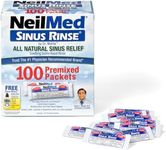
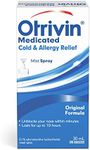
Buying Guide for the Best Sinus Medications
Choosing the right sinus medication can make a big difference in how quickly and comfortably you recover from sinus issues. The best approach is to understand your symptoms—such as congestion, pain, pressure, or allergies—and match them to the medication that targets those problems. Always consider your health history, any other medications you take, and consult a healthcare professional if you have ongoing or severe symptoms. Reading labels and understanding the active ingredients will help you avoid unnecessary or duplicate medications.Type of MedicationSinus medications come in several types, including decongestants, antihistamines, pain relievers, nasal sprays, and combination products. Decongestants help reduce swelling and congestion, antihistamines target allergy symptoms, pain relievers address discomfort, and nasal sprays can provide targeted relief. Knowing which type matches your main symptoms is important; for example, if you have a stuffy nose, a decongestant may be best, while itchy eyes and sneezing point to antihistamines. Choose the type that best fits your primary complaint.
Active IngredientsThe active ingredient is the main component that provides relief. Common ones include pseudoephedrine or phenylephrine (decongestants), diphenhydramine or loratadine (antihistamines), and acetaminophen or ibuprofen (pain relievers). It's important to check the active ingredient to avoid taking multiple medications with the same one, which can lead to side effects. If you have sensitivities or are taking other medicines, always check for interactions.
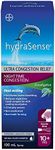
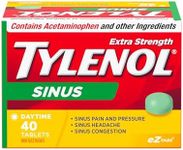
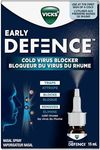
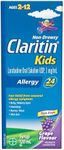
Form of MedicationSinus medications are available as tablets, capsules, liquids, nasal sprays, and sometimes dissolvable powders. Tablets and capsules are convenient for most adults, while liquids may be easier for children or those who have trouble swallowing pills. Nasal sprays deliver medicine directly to the nasal passages and can work quickly, but some people find them uncomfortable. Choose the form that you find easiest to use and that fits your lifestyle.
Duration of ActionSome sinus medications are short-acting and need to be taken every few hours, while others are long-acting and provide relief for up to 12 or 24 hours. If you need all-day relief, a long-acting option may be more convenient, but if your symptoms are mild or only occur at certain times, a short-acting medication might be enough. Consider how often you want to take medicine and when your symptoms are worst.
Side Effects and ContraindicationsAll medications can have side effects, such as drowsiness, increased heart rate, or dry mouth. Some are not suitable for people with certain health conditions like high blood pressure, glaucoma, or prostate problems. Always read the warnings and, if you have any health issues, check with a healthcare provider before choosing a medication. Picking a product with fewer or milder side effects is especially important if you are sensitive to medications.