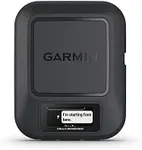
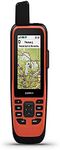
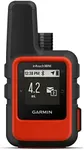
Buying Guide for the Best Satellite Gps Messenger
Choosing a satellite GPS messenger is all about finding the right balance between safety, communication, and convenience for your outdoor adventures. These devices are designed to keep you connected when you're far from cell service, whether you're hiking, camping, boating, or traveling in remote areas. To pick the best one for you, it's important to understand the key features and how they match your needs, such as how often you venture off-grid, what kind of messages you want to send, and how much you value battery life and portability.Satellite Network CoverageSatellite network coverage refers to the area where the device can send and receive messages or SOS signals. This is important because not all satellite networks cover the entire globe; some work best in certain regions. Networks like Iridium offer global coverage, while others may have limited reach. If you travel internationally or to very remote places, look for a device with truly global coverage. If you mostly stay within one continent or country, a regional network might be enough.
Messaging CapabilitiesMessaging capabilities describe what kind of communication the device allows, such as sending and receiving text messages, emails, or just pre-set check-ins. Some devices let you type custom messages, while others only send pre-written ones. If you want to keep in touch with family or need to coordinate with a team, two-way messaging is best. For basic safety check-ins, one-way or pre-set messages may be sufficient. Think about how much communication you need and choose accordingly.
SOS FunctionalitySOS functionality is the device's ability to send a distress signal to emergency services. This is a critical safety feature for anyone going off-grid. Some devices connect you directly to a 24/7 emergency response center, while others may only alert your chosen contacts. If you do high-risk activities or travel alone, a device with a reliable, monitored SOS feature is essential. For less risky trips, a basic SOS alert may be enough.
Battery LifeBattery life indicates how long the device can operate before needing a recharge. This is important because you may be away from power sources for days or weeks. Devices with longer battery life are better for extended trips, while shorter battery life may be fine for day hikes or short outings. Consider how long you'll be away and how often you can recharge, and pick a device that matches your needs.
Size and WeightSize and weight refer to how portable and easy to carry the device is. Lighter and smaller devices are easier to pack and carry, which is important for backpackers or those who want to travel light. Larger devices may offer more features but can be bulky. If you prioritize minimalism, go for a compact model. If you don't mind a bit of extra weight for more features, a larger device might suit you.
Navigation FeaturesNavigation features include things like GPS tracking, route planning, and digital maps. Some devices only send your location, while others let you navigate with detailed maps and waypoints. If you want to track your route or navigate unfamiliar terrain, look for advanced navigation features. If you just need to send your location in an emergency, basic GPS may be enough.
Durability and Weather ResistanceDurability and weather resistance describe how well the device can handle tough conditions like rain, dust, or drops. This is important if you'll be using the device in harsh environments. Devices with higher water and dust resistance ratings are better for rugged adventures. If you mostly travel in mild conditions, basic durability may be sufficient.