Buying Guide for the Best Safest Frying Pans
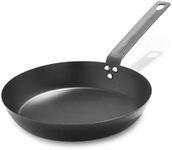
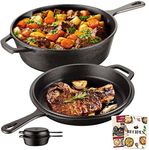
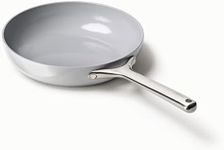
Choosing the safest frying pan is all about understanding the materials used, how they interact with food, and how they fit your cooking habits. Safety in frying pans means avoiding harmful chemicals, ensuring durability, and picking something that matches your cooking style. It's important to look beyond just the non-stick label and consider how the pan is made, what coatings are used, and how easy it is to clean and maintain. By focusing on the right features, you can find a frying pan that keeps your meals healthy and your kitchen safe.MaterialThe material of a frying pan is crucial because it affects both safety and cooking performance. Common materials include stainless steel, cast iron, ceramic, and aluminum (often with a non-stick coating). Stainless steel is non-reactive and durable, making it a safe choice for most foods. Cast iron is also safe and adds iron to your diet, but it needs seasoning and can rust if not cared for. Ceramic pans are popular for being free of chemicals like PTFE and PFOA, but their coatings can wear out over time. Aluminum pans are lightweight and heat quickly, but they should have a safe coating to prevent food from reacting with the metal. To pick the right one, think about what you cook most often and how much maintenance you're willing to do.
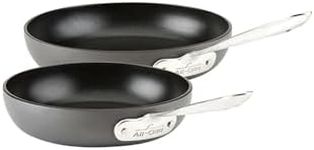
Coating TypeThe coating on a frying pan determines how non-stick it is and whether it contains any potentially harmful chemicals. Traditional non-stick coatings often use PTFE (commonly known as Teflon) or PFOA, which can release fumes at high temperatures. Ceramic coatings are considered safer because they are free from these chemicals, but they may not last as long. Uncoated pans like stainless steel or well-seasoned cast iron are also safe options if you don't mind using a bit more oil. If you want the safest option, look for pans labeled as free from PTFE, PFOA, and other harmful chemicals, and consider how often you'll need to replace the pan if the coating wears off.
Heat ResistanceHeat resistance refers to how much heat a frying pan and its coating can handle without breaking down or releasing harmful substances. Some non-stick coatings can only handle low to medium heat, while others, like ceramic or uncoated metal, can go in the oven or handle high stovetop temperatures. If you often cook at high heat or want to use your pan in the oven, make sure to choose one that is rated for those temperatures. Always check the manufacturer's guidelines to avoid overheating and damaging the pan or releasing fumes.
Ease of CleaningHow easy a frying pan is to clean can affect both safety and convenience. Pans that are hard to clean can build up residue, which may harbor bacteria or affect the taste of your food. Non-stick and ceramic pans are usually the easiest to clean, but they can be damaged by abrasive sponges or dishwashers. Stainless steel and cast iron may require more effort, but they can be scrubbed without worrying about damaging a coating. Consider your cleaning habits and whether you prefer a pan that can go in the dishwasher or one that needs gentle hand washing.
Handle and ConstructionThe handle and overall construction of a frying pan contribute to safety by ensuring a secure grip and even heating. Handles should be sturdy, heat-resistant, and comfortable to hold, reducing the risk of burns or spills. Riveted handles are generally more secure, while welded or screwed handles may loosen over time. The construction of the pan should also provide even heat distribution to prevent hot spots that can burn food or cause sticking. Think about how the pan feels in your hand and whether the handle stays cool enough for your cooking style.