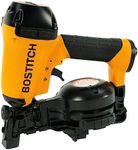
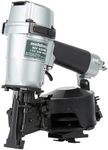
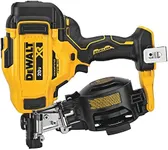
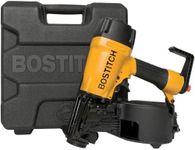
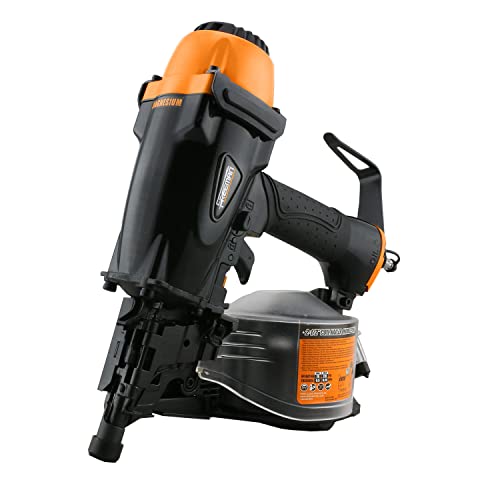
Buying Guide for the Best Roofing Nailers
Choosing the right roofing nailer can make your roofing projects faster, safer, and more efficient. The best roofing nailer for you depends on the type of roofing work you plan to do, how often you’ll use the tool, and your comfort with handling power tools. Understanding the key features and specifications will help you select a nailer that matches your needs and ensures a smooth experience on the job.Nail Type and Size CompatibilityThis specification tells you what size and type of nails the roofing nailer can use. It's important because different roofing materials and jobs require different nail lengths and diameters. Roofing nailers typically use coil nails, and the most common sizes range from 3/4 inch to 1-3/4 inches. If you’re working on standard asphalt shingles, a nailer that handles 1-1/4 inch nails is usually sufficient, but for thicker materials or specialty shingles, you may need a tool that accepts longer nails. Always check the nail size compatibility to ensure it matches your project requirements.
Magazine CapacityMagazine capacity refers to how many nails the tool can hold at once. This is important because a larger capacity means fewer stops to reload, which can save time on big jobs. Roofing nailers typically have coil magazines that hold between 100 and 120 nails. If you’re working on large roofs or want to minimize interruptions, look for a higher capacity. For smaller jobs or occasional use, a standard capacity will be sufficient.
Weight and ErgonomicsThe weight and design of the nailer affect how comfortable it is to use, especially over long periods. Lighter nailers reduce fatigue, while ergonomic handles and balanced designs make the tool easier to control. If you expect to use the nailer for extended periods or on large projects, prioritize a lightweight and well-balanced model. For occasional or short-term use, weight may be less critical, but comfort should still be considered.
Firing ModeFiring mode describes how the nailer drives nails—either sequentially (one at a time) or in bump mode (rapid firing as long as the trigger is held and the nose is pressed). Sequential firing offers more control and safety, while bump firing is faster for experienced users. If you’re new to roofing or prioritize safety, choose a nailer with a sequential mode. If speed is more important and you have experience, a bump-fire option can increase productivity.
Depth AdjustmentDepth adjustment allows you to control how deep the nail is driven into the material. This is important for ensuring nails are flush with the shingle surface without damaging it. Some nailers have tool-free depth adjustment, making it easy to change settings on the fly. If you work with different roofing materials or want precise control, look for a model with easy and accurate depth adjustment. For single-material jobs, a fixed depth may be sufficient.
Durability and Build QualityDurability refers to how well the nailer stands up to tough job site conditions, including drops, dust, and weather. Roofing work can be demanding, so a sturdy, well-built nailer will last longer and perform more reliably. Look for features like metal housings, protective bumpers, and quality internal components. If you plan to use the nailer frequently or in harsh conditions, prioritize durability. For occasional use, basic build quality may be adequate.
Air Pressure RequirementsMost roofing nailers are pneumatic and require an air compressor. The air pressure requirement tells you what pressure (measured in PSI) the nailer needs to operate properly. This is important to ensure compatibility with your compressor. Typical roofing nailers operate between 70 and 120 PSI. Make sure your compressor can provide the required pressure and airflow for the nailer you choose. If you already own a compressor, check its specs before buying a nailer.