Buying Guide for the Best Rocket Stoves
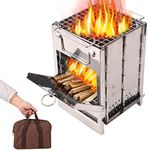
Choosing the right rocket stove can make outdoor cooking, emergency preparedness, or off-grid living much more efficient and enjoyable. Rocket stoves are designed to burn small amounts of wood very efficiently, producing high heat with minimal smoke. When picking a rocket stove, it's important to consider how and where you'll use it, how portable you need it to be, and what kind of cooking you plan to do. Understanding the key features will help you select a stove that matches your needs and ensures safe, effective use.MaterialThe material of a rocket stove affects its durability, weight, and heat retention. Common materials include stainless steel, cast iron, and sometimes heavy-duty ceramics. Stainless steel is lightweight and resists rust, making it good for portability and outdoor use. Cast iron is heavier but retains heat well and is very durable, ideal for stationary setups. Ceramics can offer excellent insulation but are more fragile. If you plan to move your stove often, lighter materials are better, while for a permanent spot, heavier, more robust materials may be preferable.
Size and PortabilitySize determines how much food you can cook at once and how easy the stove is to transport. Small, compact rocket stoves are great for backpacking or emergency kits, as they are easy to carry and set up. Medium-sized stoves are suitable for car camping or small gatherings, balancing portability and cooking capacity. Large stoves are best for group cooking or home use, but they are heavier and less portable. Think about how many people you usually cook for and whether you need to move the stove frequently.
Fuel Type and CompatibilityRocket stoves are typically designed to burn small sticks, twigs, and other biomass. Some models can also handle charcoal or pellets. The ability to use various fuels can be important if you want flexibility or if you live in an area where certain fuels are more available. If you want a stove for emergency use, choose one that can burn whatever you can easily find. For regular outdoor cooking, consider what fuel is most convenient for you.
Insulation and EfficiencyInsulation refers to how well the stove retains and directs heat to the cooking surface. Good insulation means more efficient burning, less fuel needed, and less smoke. Some stoves have double walls or special linings to improve efficiency. If you want to cook quickly and use less wood, look for a stove with strong insulation features. For occasional use, basic insulation may be enough, but for frequent or long-term use, better insulation is worth considering.
Stability and Safety FeaturesStability is about how securely the stove sits on the ground and supports your cookware. Features like wide bases, sturdy legs, and wind shields can make a big difference in safety and ease of use. If you plan to use the stove on uneven ground or with heavy pots, look for a model with a stable base and good support. Safety features are especially important if you’ll be cooking around children or in windy conditions.
Ease of Cleaning and MaintenanceA rocket stove that is easy to clean and maintain will last longer and perform better. Look for designs that allow you to remove ash and debris easily, and check if any parts are replaceable. If you plan to use the stove often, easy cleaning will save you time and effort. For occasional use, this may be less critical, but it’s still good to consider for long-term reliability.