Buying Guide for the Best Quiet Pet Grooming Vacuum
Choosing a quiet pet grooming vacuum can make grooming sessions much more comfortable for both you and your pet. The right vacuum will help you keep your home clean from pet hair while minimizing stress for your furry friend. When shopping, it's important to focus on features that affect noise, suction, ease of use, and maintenance. Understanding these key specifications will help you find a vacuum that fits your needs and keeps your pet calm during grooming.Noise Level (Decibels)Noise level, measured in decibels (dB), tells you how loud the vacuum will be when in use. This is especially important for pets, as many animals are sensitive to loud sounds and may become anxious or scared. Vacuums typically range from about 60 dB (quiet conversation) to over 80 dB (busy street). For a quiet pet grooming vacuum, look for models in the lower range, ideally under 70 dB. If your pet is very sensitive to noise, prioritize the quietest options. If your pet is less bothered by sound, you may have more flexibility.
Suction PowerSuction power determines how effectively the vacuum can pick up pet hair and dander. It is often measured in air watts or kilopascals (kPa). Higher suction means better cleaning, but sometimes it can also mean more noise. For short-haired pets or light shedding, moderate suction is usually enough. For long-haired pets or heavy shedders, stronger suction is helpful. Choose a vacuum with adjustable suction if you want to balance cleaning power and noise.
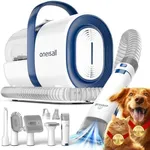
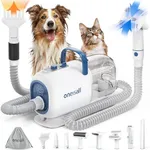
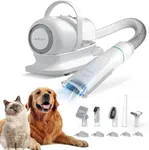
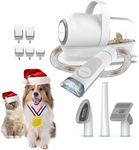
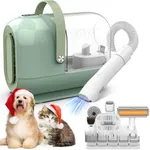
Attachment TypesAttachments are the tools that come with the vacuum, such as grooming brushes, combs, or nozzles. The right attachments make grooming easier and more comfortable for your pet. Some vacuums come with specialized grooming heads for different coat types. If your pet has a thick or long coat, look for a vacuum with a de-shedding tool. For short-haired pets, a simple brush attachment may be enough. Consider your pet’s coat and grooming needs when evaluating attachments.
Filtration SystemThe filtration system captures dust, dander, and allergens, keeping the air clean while you groom. HEPA filters are the gold standard, trapping very fine particles. If anyone in your home has allergies or asthma, a vacuum with a high-quality filter is important. For general use, a standard filter may be sufficient, but for sensitive households, prioritize HEPA or similar advanced filtration.
Ease of Cleaning and MaintenanceThis refers to how simple it is to empty the vacuum, clean the filters, and maintain the attachments. A vacuum that is easy to clean will save you time and keep the device working well. Look for models with detachable, washable parts and clear instructions. If you prefer low-maintenance products, choose a vacuum with fewer parts to clean and easy-access dustbins.
Corded vs. CordlessCorded vacuums plug into the wall and offer continuous power, while cordless models run on batteries and offer more flexibility and portability. Cordless vacuums are easier to move around and can be less intimidating for pets, but they may have limited run time. If you need to groom multiple pets or want to move freely, cordless may be best. If you prefer uninterrupted power and don’t mind staying near an outlet, corded is a good choice.
Weight and ErgonomicsThe weight and design of the vacuum affect how comfortable it is to use, especially during longer grooming sessions. Lighter vacuums are easier to handle and less tiring. Ergonomic handles and controls make the process smoother. If you have a large pet or need to groom for extended periods, prioritize lightweight and well-designed models.