Buying Guide for the Best Oriole Feeders
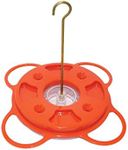
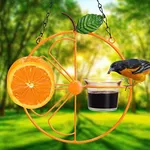
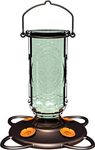
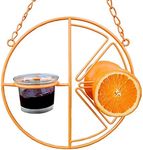
Choosing the right oriole feeder can make birdwatching more enjoyable and help attract these beautiful birds to your yard. The key is to understand what orioles like and how different feeder features can meet their needs. By focusing on the main specifications, you can select a feeder that is easy to use, clean, and maintain, while also being attractive to orioles. Think about your local oriole species, the space you have, and how much time you want to spend maintaining the feeder.Feeder TypeFeeder type refers to the overall design and how the food is presented to the birds. Orioles are attracted to feeders that offer fruit, jelly, or nectar. Some feeders are designed specifically for nectar, while others have trays or spikes for fruit and cups for jelly. Nectar feeders usually have ports and perches, while fruit/jelly feeders have open trays or holders. If you want to offer a variety of foods, look for a feeder that combines these features. Your choice should depend on what food you plan to offer and what is most convenient for you to refill and clean.
MaterialThe material of the feeder affects its durability, ease of cleaning, and attractiveness to birds. Common materials include plastic, glass, and metal. Plastic feeders are lightweight and affordable but may degrade in sunlight over time. Glass feeders are more durable and easier to clean but can break if dropped. Metal parts add strength but should be rust-resistant. If you want a long-lasting feeder, choose one made from sturdy, weather-resistant materials that are easy to take apart and wash.
CapacityCapacity means how much food or nectar the feeder can hold. Small feeders need to be refilled more often but keep food fresher, while large feeders are good if you have many orioles visiting. For nectar, a feeder that holds 8-16 ounces is usually enough for most backyards. For jelly or fruit, consider how quickly the food will spoil in your climate. If you have a lot of birds or want to refill less often, go for a larger capacity, but if you’re just starting out, a smaller feeder may be easier to manage.
Ease of CleaningEase of cleaning is about how simple it is to take the feeder apart and wash it. Feeders that are hard to clean can develop mold or bacteria, which is harmful to birds. Look for feeders with removable parts and wide openings so you can reach all areas. If you want to keep your feeder safe and healthy for orioles, pick one that you can easily clean every few days, especially in warm weather.
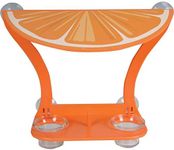
Color and AttractivenessColor and attractiveness refer to how the feeder looks to orioles. Orioles are drawn to bright colors, especially orange, which signals food to them. A feeder with orange parts or accents is more likely to catch their attention. While color is important for attracting birds, also consider how the feeder looks in your yard. If you want to maximize your chances of attracting orioles, choose a feeder with plenty of orange and a design that mimics natural food sources.
Protection from PestsProtection from pests means how well the feeder keeps out ants, bees, and other unwanted visitors. Some feeders have built-in ant moats or bee guards to prevent these pests from reaching the food. If you live in an area with lots of insects, look for these features to keep the food for the orioles and avoid problems. Your choice should depend on your local pest situation and how much effort you want to spend keeping the feeder pest-free.