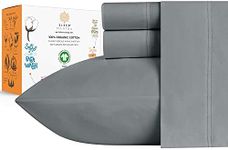
Buying Guide for the Best Organic Cotton Sheets
Choosing the right organic cotton sheets can make a big difference in your sleep comfort and overall health. Organic cotton sheets are made from cotton grown without harmful chemicals, making them a great choice for people with sensitive skin or those who want to reduce their environmental impact. When shopping for organic cotton sheets, it's important to look beyond just the label and understand the key features that affect how the sheets feel, last, and perform. By focusing on the main specifications, you can find a set that matches your comfort preferences and lifestyle needs.Cotton CertificationCotton certification refers to whether the cotton used in the sheets is truly organic and has been verified by a reputable organization. This is important because it ensures the cotton was grown without synthetic pesticides or fertilizers, making it safer for your skin and better for the environment. The most recognized certifications are GOTS (Global Organic Textile Standard) and OEKO-TEX. Sheets with these certifications have met strict standards for organic farming and processing. If you have allergies or want to support sustainable farming, look for these certifications on the packaging.
Thread CountThread count is the number of threads woven into one square inch of fabric. It’s often used as a measure of softness and durability, but higher isn’t always better. For organic cotton sheets, a thread count between 200 and 400 is usually ideal—this range offers a good balance of softness, breathability, and strength. Lower thread counts (around 200) feel lighter and cooler, which is great if you sleep hot. Higher thread counts (above 400) can feel heavier and warmer, but may not always be softer. Choose a thread count based on whether you prefer crisp, cool sheets or a denser, warmer feel.
Weave TypeWeave type describes how the threads are woven together, affecting the texture and feel of the sheets. The two most common weaves for organic cotton sheets are percale and sateen. Percale has a matte finish and a crisp, cool feel, making it ideal for people who like lightweight, breathable sheets. Sateen has a smoother, silkier surface and tends to feel warmer, which is good if you want a softer, cozier sheet. Think about whether you prefer a crisp or silky texture and how warm you like to be at night when choosing the weave.
Fit and SizeFit and size refer to the dimensions of the sheets and how well they match your mattress. This is important because sheets that are too small will pop off the corners, while oversized sheets can bunch up. Check the packaging for the sheet size (twin, full, queen, king, etc.) and the pocket depth, which tells you how thick of a mattress the fitted sheet can accommodate. If you have a deep or pillow-top mattress, look for sheets labeled as 'deep pocket' to ensure a snug fit.
Finish and FeelFinish and feel describe the final texture and softness of the sheets, which can be influenced by how the cotton is processed and finished. Some organic cotton sheets are stone-washed or pre-washed for extra softness, while others may feel crisp at first but soften over time with washing. If you want sheets that feel soft right out of the package, look for those that mention pre-washing or special finishing. If you don’t mind a break-in period, standard organic cotton sheets will soften naturally with use.
Care InstructionsCare instructions tell you how to wash and maintain your organic cotton sheets. This is important because proper care helps the sheets last longer and stay comfortable. Most organic cotton sheets can be machine washed in cold or warm water and tumble dried on low, but some may require gentle cycles or air drying to prevent shrinkage. If you prefer low-maintenance bedding, check for sheets that are labeled as easy-care or wrinkle-resistant. Always follow the care label to keep your sheets in the best condition.