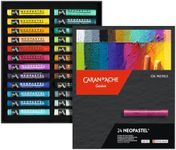
Buying Guide for the Best Oil Pastel
Choosing the right oil pastels can make a big difference in your art experience, whether you’re a beginner or a more experienced artist. Oil pastels come in a variety of qualities and types, and understanding the key features will help you select the best fit for your needs. Think about what you want to create, how often you’ll use them, and the kind of effects you’re hoping to achieve. By focusing on the main specifications, you can find oil pastels that match your style and expectations.Pigment QualityPigment quality refers to how rich and vibrant the colors are in the oil pastels. High-quality pigments produce brighter, more intense colors and tend to blend better, while lower-quality pigments may look dull or fade over time. Oil pastels are often divided into student-grade and artist-grade. Student-grade pastels are good for practice and casual use, while artist-grade pastels are better for professional work or when you want the best color results. If you want your artwork to stand out or last a long time, look for higher pigment quality.
Texture and SoftnessTexture and softness describe how smooth or hard the oil pastels feel when you use them. Softer pastels are creamy and easy to blend, making them great for creating smooth transitions and mixing colors. Harder pastels are firmer and allow for more detailed lines and less smudging. If you like blending and layering colors, softer pastels are a good choice. If you prefer drawing fine details or want less mess, harder pastels might suit you better.
LightfastnessLightfastness is a measure of how well the colors resist fading when exposed to light over time. Pastels with high lightfastness will keep their color longer, which is important if you want your artwork to last or be displayed. Some oil pastels are labeled with lightfastness ratings, often using stars or numbers. If you plan to keep or display your art, choose oil pastels with higher lightfastness. For practice or temporary projects, this may be less important.
BlendabilityBlendability refers to how easily the colors mix together on the paper. Some oil pastels are designed to blend smoothly, allowing you to create gradients and new shades, while others are more resistant to blending. If you enjoy creating soft, painterly effects or mixing your own colors, look for oil pastels known for good blendability. If you prefer bold, separate colors or more graphic styles, blendability may be less of a priority.
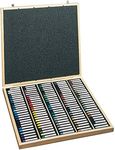
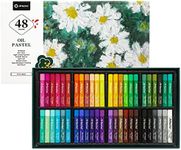
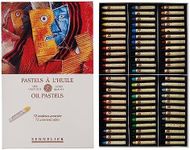
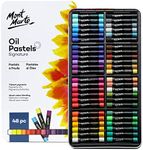
Set Size and Color RangeSet size and color range indicate how many different colors are included in a box of oil pastels. Smaller sets are more portable and easier to manage, while larger sets offer a wider variety of colors for more complex artwork. If you’re just starting out or working on simple projects, a small set with basic colors may be enough. If you want more creative options or plan to do detailed work, a larger set with a broad color range will give you more flexibility.