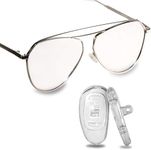
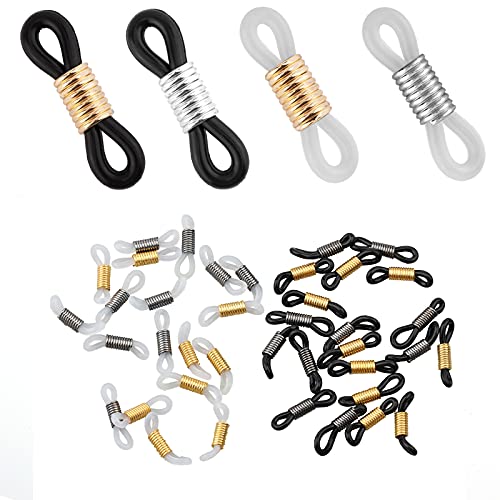
Buying Guide for the Best Nose Pads For Eyeglasses
Choosing the right nose pads for your eyeglasses can make a big difference in comfort, fit, and even how your glasses look on your face. Nose pads help distribute the weight of your glasses and prevent them from slipping down your nose. When picking nose pads, it's important to consider your skin sensitivity, the shape of your nose, and how your glasses feel after wearing them for a while. The right nose pads can reduce pressure points and make your glasses feel almost invisible.MaterialThe material of nose pads is important because it affects comfort, durability, and how your skin reacts to them. Common materials include silicone, rubber, and hard plastic. Silicone is soft and flexible, making it a good choice for people with sensitive skin or those who wear glasses for long periods. Rubber offers a bit more grip, which can help keep glasses in place, but may not be as soft as silicone. Hard plastic is durable and less likely to discolor, but it can feel less comfortable, especially if your glasses are heavy. If you have sensitive skin or want maximum comfort, silicone is usually the best choice. If you need your glasses to stay put during activity, rubber might be better. For those who prioritize durability and don't mind a firmer feel, hard plastic can work well.
ShapeNose pad shape affects how the glasses sit on your nose and how the weight is distributed. The most common shapes are oval, D-shaped, and teardrop. Oval pads are versatile and fit most nose shapes, providing a balanced feel. D-shaped pads are flatter on one side and can offer a more stable fit for people with flatter nose bridges. Teardrop pads are longer and can help spread the weight over a larger area, which is good for heavier frames. To pick the right shape, consider the shape of your nose and how your current glasses feel—if you notice pressure points or slipping, trying a different shape may help.
SizeNose pad size determines how much surface area touches your nose, which affects comfort and stability. Sizes usually range from small (around 9mm) to large (up to 15mm or more). Smaller pads are less noticeable but may create pressure points, especially with heavier glasses. Larger pads spread the weight more evenly and can be more comfortable for all-day wear, but they may be more visible. If your glasses feel heavy or leave marks on your nose, try larger pads. If you want a more discreet look and your glasses are lightweight, smaller pads may be sufficient.
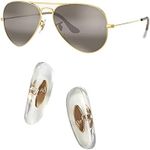
Attachment TypeNose pads attach to glasses in different ways, such as push-in, screw-in, or clip-on. The attachment type is important because it determines compatibility with your frames and how easy it is to replace the pads. Push-in pads are easy to swap out and are common on many modern frames. Screw-in pads are more secure but require a tiny screwdriver for replacement. Clip-on pads are less common and usually found on specific frame types. To choose the right attachment, check your current glasses to see how the pads are held in place, and match the new pads to that style.
Anti-Slip FeaturesSome nose pads have special textures or coatings to help prevent your glasses from sliding down your nose. This is especially useful if you have oily skin, are active, or live in a humid climate. Anti-slip pads often have a slightly tacky feel or a textured surface. If you find yourself constantly pushing your glasses back up, look for nose pads with anti-slip features to improve grip and stability.


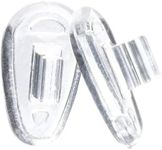

![[96 Pairs] Mwoot Soft Foam Nose Pads Self Adhesive Eyeglass Nose Pads Anti-Slip Eyeglass Nose Pads Thin Nose pads for Glasses Eyeglasses Sunglasses (Black Color)](https://images-proxy.bestreviews.guide/ezL1hVfKx-c7uKn7SPWMgc8K7r4=/0x150/https://m.media-amazon.com/images/I/51yv+m-qr1L._AC_CX679_.jpg)