Buying Guide for the Best Non Toxic Cookware
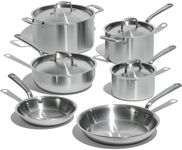
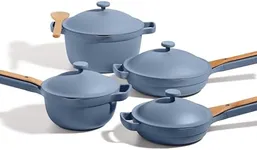
Choosing non-toxic cookware is a smart move for anyone who wants to prepare healthy meals without worrying about harmful chemicals leaching into their food. The market offers a variety of materials and coatings, each with its own benefits and considerations. When shopping for non-toxic cookware, it's important to understand what makes a material safe, how it performs in everyday cooking, and how it matches your cooking habits. By focusing on a few key specifications, you can confidently select cookware that fits your needs and keeps your kitchen safe.MaterialThe material of your cookware is the most important factor in determining whether it is non-toxic. Common non-toxic materials include stainless steel, cast iron, carbon steel, glass, and certain types of ceramic. Each material has its own pros and cons: stainless steel is durable and non-reactive, cast iron adds iron to your food and retains heat well, carbon steel is similar to cast iron but lighter, glass is completely inert, and ceramic can be safe if it is free from lead and cadmium. When choosing, think about your cooking style—if you want something easy to maintain, stainless steel or glass might be best; if you like searing and slow cooking, cast iron or carbon steel could be a good fit.
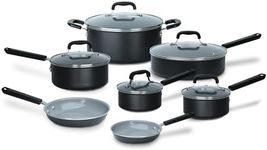
CoatingSome cookware comes with a non-stick coating, which can make cooking and cleaning easier. However, traditional non-stick coatings like Teflon can release toxic fumes at high temperatures. Safer alternatives include ceramic-based coatings and seasoned cast iron. When evaluating coatings, look for products labeled as free from PTFE, PFOA, lead, and cadmium. If you prefer non-stick surfaces, ceramic coatings are a good choice for low to medium heat cooking, while seasoned cast iron offers a natural non-stick surface that improves with use.
ReactivityReactivity refers to how the cookware material interacts with acidic or alkaline foods. Reactive materials, like uncoated aluminum or copper, can leach metals into your food, especially when cooking tomatoes or citrus. Non-reactive materials, such as stainless steel, glass, and properly glazed ceramic, do not interact with food and are considered safer. If you often cook acidic dishes, prioritize non-reactive cookware to avoid unwanted flavors and potential health risks.
Ease of MaintenanceHow easy it is to clean and care for your cookware can affect your overall satisfaction and the longevity of the product. Some non-toxic options, like glass and stainless steel, are dishwasher safe and require minimal upkeep. Cast iron and carbon steel need to be seasoned and dried thoroughly to prevent rust, but they can last a lifetime with proper care. Consider your willingness to maintain your cookware—if you want something low-maintenance, opt for stainless steel or glass; if you enjoy the ritual of seasoning and want a pan that improves over time, cast iron or carbon steel may be ideal.
Heat ConductivityHeat conductivity determines how evenly your cookware heats up and how well it retains heat. Materials like cast iron and carbon steel hold heat well, making them great for searing and slow cooking, but they take longer to heat up. Stainless steel heats quickly but may have hot spots unless it has an aluminum or copper core. Glass and ceramic heat more slowly and are best for baking or gentle cooking. Think about the types of dishes you prepare most often—if you need quick, even heating, look for cookware with a layered base; if you prefer slow, steady cooking, cast iron or ceramic might be better.