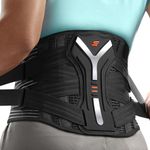
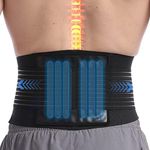
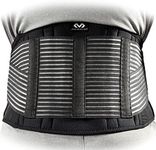
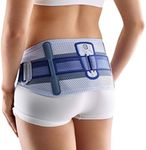
Buying Guide for the Best Lower Back Brace
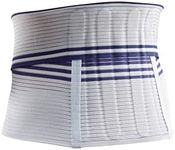
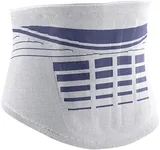
Choosing the right lower-back brace can make a big difference in comfort, support, and recovery. The best brace for you depends on your specific needs, such as whether you need it for injury recovery, posture support, or heavy lifting. It's important to consider how and when you'll use the brace, as well as your body shape and activity level. Understanding the key features will help you find a brace that fits well, provides the right amount of support, and is comfortable for daily use.Support LevelSupport level refers to how much stability and restriction the brace provides to your lower back. This is important because different conditions or activities require different amounts of support. Light support braces are flexible and suitable for mild discomfort or posture correction, while moderate support braces offer more structure for ongoing pain or mild injuries. Maximum support braces are rigid and best for serious injuries or post-surgery recovery. To pick the right one, think about your needs: if you just need a little help with posture or occasional aches, light support is enough. For chronic pain or injury recovery, go for moderate or maximum support as recommended by a healthcare professional.
Material and BreathabilityThe material of a lower-back brace affects comfort, breathability, and durability. This is important because you'll likely wear the brace for extended periods, and you want to avoid sweating or skin irritation. Common materials include neoprene, elastic, and mesh fabrics. Neoprene is durable and provides warmth, but can be less breathable. Elastic and mesh are lighter and more breathable, making them better for active use or warm climates. Choose a material that matches your activity level and comfort needs—if you plan to wear it during exercise or in hot weather, prioritize breathability.
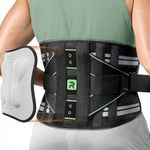
AdjustabilityAdjustability refers to how easily you can change the fit and tightness of the brace. This is important because a good fit ensures proper support and comfort. Braces may use Velcro straps, laces, or hook-and-loop systems. Some offer multiple adjustment points for a more customized fit. If your body size changes throughout the day or you want to wear the brace over different types of clothing, look for a highly adjustable model. For consistent use, a simpler adjustment system may be sufficient.
Size and FitSize and fit determine how well the brace conforms to your body. This is crucial because a poorly fitting brace can cause discomfort or fail to provide adequate support. Braces come in various sizes, often based on waist measurements. Some are one-size-fits-most, while others offer a range of sizes. To pick the right one, measure your waist accurately and check the manufacturer's sizing guide. If you're between sizes, consider adjustability and whether you prefer a snug or looser fit.
Mobility and FlexibilityMobility and flexibility describe how much movement the brace allows while wearing it. This is important because you want enough support without feeling too restricted, especially if you need to move around a lot. Some braces are designed to be very rigid, limiting movement for maximum support, while others are more flexible and allow for bending and twisting. If you need the brace for daily activities or work, choose one that balances support with enough flexibility to move comfortably.
Ease of UseEase of use refers to how simple it is to put on, adjust, and remove the brace. This matters because you'll likely use the brace frequently, and a complicated design can be frustrating. Some braces slip on like a belt, while others require more steps to secure. If you have limited mobility or need to put the brace on by yourself, look for a design that's easy to handle and adjust.