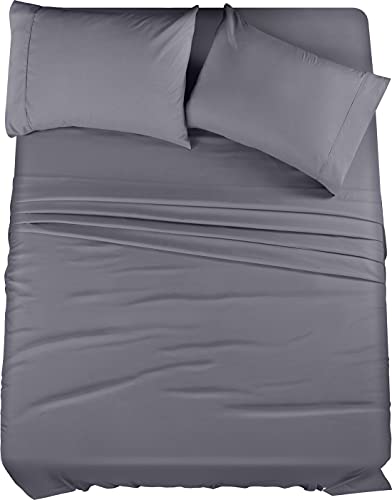
Buying Guide for the Best Linen Sheets
Choosing the right linen sheets can make a big difference in your sleep comfort and bedroom aesthetics. Linen is known for its breathability, durability, and unique texture, but not all linen sheets are created equal. When shopping for linen sheets, it's important to understand the key features that affect their feel, longevity, and suitability for your needs. By focusing on the main specifications, you can find a set that matches your preferences for softness, temperature regulation, and maintenance.Linen Type (Pure Linen vs. Linen Blends)Linen sheets are made either from 100% flax fibers or blended with other materials like cotton or polyester. Pure linen is prized for its natural breathability, moisture-wicking, and durability, but it can feel rougher at first and softens over time. Linen blends are often softer right out of the package and may wrinkle less, but they might not offer the same cooling properties or longevity. If you want the full benefits of linen and don't mind a bit of initial crispness, go for pure linen. If you prefer a softer feel immediately and easier care, a blend might suit you better.
Weave and Weight (GSM - Grams per Square Meter)The weave and weight of linen sheets, often measured in GSM, determine how thick, heavy, and durable the sheets feel. Lower GSM (around 120-150) means lighter, airier sheets that are great for hot climates or those who sleep warm. Medium GSM (150-170) offers a balance between breathability and durability, suitable for most people year-round. Higher GSM (170+) results in thicker, more substantial sheets that feel cozier and last longer, ideal for cooler climates or those who like a heavier feel. Consider your climate and personal comfort preferences when choosing the right weight.
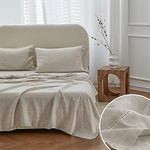
Softness and FinishLinen naturally has a textured, slightly crisp feel that softens with each wash. Some sheets are pre-washed or stone-washed to make them softer from the start. If you want instant softness, look for sheets labeled as pre-washed or garment-washed. If you enjoy the process of your sheets getting softer over time and don't mind a bit of initial roughness, untreated linen can be a good choice. Your sensitivity to texture and desire for immediate comfort should guide your decision here.
Fit and SizingLinen sheets come in standard bed sizes, but the fit can vary due to the natural stretch and shrinkage of linen. Check the pocket depth of fitted sheets to ensure they fit your mattress, especially if you have a thick or pillow-top mattress. Some linen sheets are generously sized to account for shrinkage after washing, while others are more fitted. If you want a looser, more relaxed look, opt for oversized sheets. For a neater appearance, choose sheets that closely match your mattress dimensions.
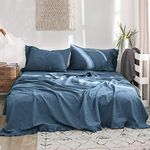
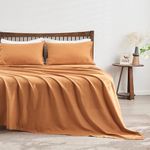
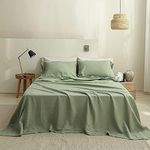
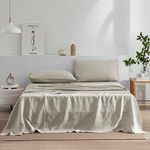
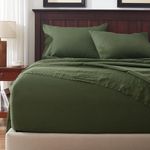
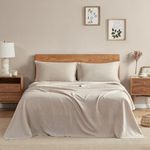
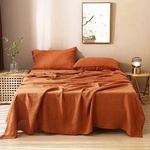
Color and Dyeing ProcessLinen sheets are available in a range of colors, from natural flax to vibrant hues. The dyeing process can affect the feel and longevity of the color. Natural or undyed linen tends to be more eco-friendly and may feel slightly different than dyed options. If you want sheets that maintain their color over time, look for those labeled as yarn-dyed or garment-dyed, as these processes help the color last longer. Your choice here depends on your style preferences and how important colorfastness is to you.
Care and MaintenanceLinen sheets require specific care to maintain their quality. Most can be machine washed, but they may wrinkle easily and sometimes need air drying or low-heat tumble drying. Some linen sheets are treated to be more wrinkle-resistant or easier to care for. If you prefer low-maintenance bedding, look for sheets with easy-care labels or blends. If you don't mind a bit of natural wrinkling and want the pure linen experience, untreated linen is a good fit. Think about how much time and effort you want to spend on laundry when making your choice.