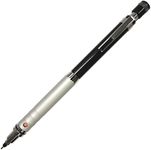
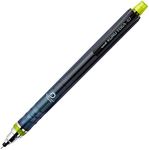
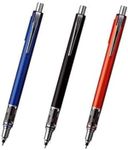
Buying Guide for the Best Kuru Toga Pencil
Choosing a mechanical pencil, especially a Kuru Toga-style pencil, is all about finding the right balance between comfort, functionality, and durability for your writing or drawing needs. Kuru Toga pencils are unique because they have a mechanism that rotates the lead as you write, keeping the tip sharp and consistent. When picking the best one for you, it's important to consider how you'll use it—whether for note-taking, sketching, or technical drawing—and what features will make your experience smoother and more enjoyable.Lead SizeLead size refers to the thickness of the pencil lead, usually measured in millimeters (mm). The most common sizes are 0.3mm, 0.5mm, and 0.7mm. Thinner leads like 0.3mm are great for fine, detailed work but can break more easily, making them better for careful writers or artists. The 0.5mm size is a good all-around choice, offering a balance between precision and durability, suitable for most writing and drawing tasks. The 0.7mm lead is thicker and stronger, ideal for those who write with more pressure or want a bolder line. To pick the right lead size, think about how much detail you need and how heavy-handed you are when writing.
Grip ComfortGrip comfort is about how the pencil feels in your hand during use. Some pencils have soft, cushioned grips, while others have hard or textured surfaces. A comfortable grip can reduce hand fatigue, especially during long writing sessions. If you write a lot or have sensitive hands, look for a pencil with a soft or ergonomic grip. If you prefer a more precise feel or have smaller hands, a slimmer or firmer grip might suit you better. Try holding different styles to see which feels most natural for your hand.
Weight and BalanceThe weight and balance of a pencil affect how it feels and moves as you write. Lighter pencils are easier to maneuver and less tiring over time, while heavier pencils can feel more substantial and stable. Balance refers to how the weight is distributed—some pencils are top-heavy, while others are balanced toward the tip or the middle. If you do a lot of quick writing or sketching, a lighter, well-balanced pencil may be best. For those who like a solid feel, a heavier pencil might be more satisfying. Consider your writing style and how long you typically use the pencil at a stretch.
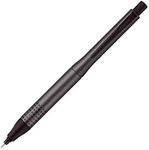
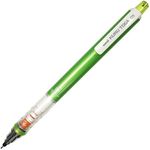
Kuru Toga Mechanism TypeThe Kuru Toga mechanism is what makes these pencils special—it rotates the lead as you write, keeping the tip sharp. There are different versions of this mechanism, such as the standard and the advanced (or 'engine') types. The advanced versions rotate the lead more frequently, which can be helpful for people who write quickly or with a lot of pressure. If you want the sharpest, most consistent line, look for a pencil with the more advanced mechanism. If you write more slowly or don't mind a slightly less sharp tip, the standard mechanism will work well.
Build MaterialBuild material refers to what the pencil is made from—common options include plastic, metal, or a combination of both. Plastic pencils are usually lighter and less expensive, while metal pencils are more durable and can feel more premium. Some people prefer the cool, solid feel of metal, while others like the lightness of plastic. If you need a pencil that can withstand being tossed in a bag or dropped, a metal or reinforced plastic body might be best. If you prioritize a lightweight feel, stick with plastic.
Eraser QualityThe eraser on a mechanical pencil is a handy feature, but not all erasers are created equal. Some are small and wear down quickly, while others are larger and more effective at cleanly removing marks. If you often need to erase, look for a pencil with a larger, high-quality eraser. If you rarely use the eraser or prefer a separate eraser, this feature may be less important to you.