Buying Guide for the Best Kinesiology Tapes
Choosing the right kinesiology tape can make a big difference in how well it supports your muscles and joints during activity or recovery. The best tape for you will depend on your specific needs, such as the area of the body you want to tape, your skin sensitivity, and how long you want the tape to stay on. Understanding the key features of kinesiology tapes will help you make a more informed decision and get the most benefit from your purchase.MaterialKinesiology tapes are usually made from cotton, synthetic fibers, or a blend of both. The material affects breathability, stretch, and comfort. Cotton tapes are soft and breathable, making them comfortable for sensitive skin and everyday use, but they may not last as long when exposed to water or sweat. Synthetic tapes, like those made from nylon or polyester, tend to be more durable and water-resistant, making them better for intense activities or swimming. If you have sensitive skin or plan to wear the tape for long periods, cotton might be best. For sports or water activities, synthetic options are often preferable.
Adhesive StrengthThe adhesive is what keeps the tape attached to your skin. Some tapes have a gentle adhesive for sensitive skin, while others have a stronger grip for high-movement or sweaty conditions. Light adhesive is good for short-term use or delicate skin, but may peel off sooner. Strong adhesive is better for athletes or those who need the tape to stay on for several days, but it can be harder to remove and may irritate sensitive skin. Consider your skin type and how long you want the tape to stay on when choosing adhesive strength.
StretchabilityStretchability refers to how much the tape can stretch and still return to its original shape. Most kinesiology tapes stretch between 30% and 70% of their original length. Lower stretch (around 30-40%) provides more support and stability, which is good for joint taping or injury recovery. Higher stretch (up to 70%) allows for more flexibility and natural movement, which is better for muscle support during activity. Think about whether you need more support or more freedom of movement to guide your choice.
Water ResistanceWater resistance determines how well the tape holds up when exposed to sweat, showers, or swimming. Some tapes are designed to be highly water-resistant, making them ideal for athletes or people who need to wear the tape for several days without it peeling off. Others are less resistant and may come off more easily when wet. If you plan to use the tape during sports, workouts, or in humid conditions, look for a water-resistant option.
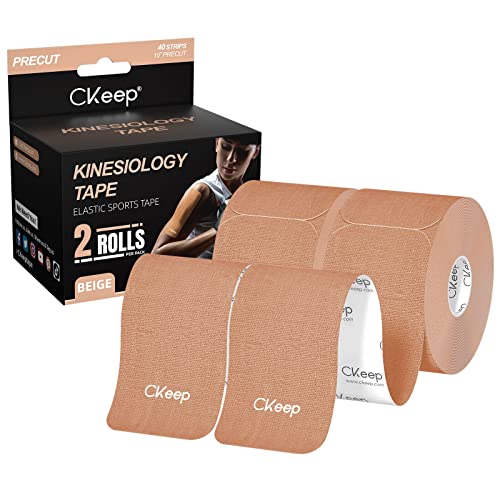
Width and LengthKinesiology tapes come in different widths and lengths, usually in rolls or pre-cut strips. Wider tapes (5 cm or more) are good for larger muscle groups like the back or thighs, while narrower tapes (2.5 cm) are better for smaller areas like fingers or wrists. Longer rolls give you more flexibility to cut the tape to your desired length, while pre-cut strips are convenient and save time. Consider the area you want to tape and whether you prefer the convenience of pre-cut strips or the versatility of a roll.
Hypoallergenic PropertiesSome kinesiology tapes are labeled as hypoallergenic, meaning they are less likely to cause skin irritation or allergic reactions. This is especially important if you have sensitive skin or a history of allergies to adhesives. If you are concerned about skin reactions, look for tapes that specifically mention hypoallergenic or latex-free properties.