Buying Guide for the Best Kindling Splitters
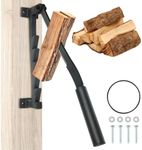
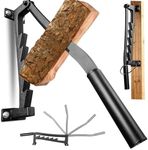
Choosing the right kindling splitter can make preparing firewood safer, easier, and more efficient. The best splitter for you depends on how much wood you need to split, where you'll use it, and your physical comfort. By understanding the key features, you can select a splitter that matches your needs and makes the task enjoyable rather than a chore.Splitter TypeKindling splitters come in different types, such as manual, foot-operated, and lever-assisted models. This spec refers to how the splitter operates and how much effort is required from you. Manual splitters usually require you to strike the wood with a mallet, while foot-operated or lever-assisted models use mechanical advantage to make splitting easier. If you want a workout and don't mind using some force, a manual splitter might suit you. If you prefer less physical effort or need to split a lot of wood, a lever or foot-operated model can be more comfortable and efficient.
Material and Build QualityThis refers to what the splitter is made of and how sturdy it is. Most splitters are made from steel or cast iron, which are durable and can withstand repeated use. A heavier, well-built splitter will last longer and be safer, as it is less likely to tip over or break. If you plan to use your splitter frequently or for larger pieces of wood, look for one with a solid, stable base and thick metal construction. For occasional use or portability, a lighter model may be sufficient.
Blade Design and SharpnessThe blade is the part that actually splits the wood. Some splitters have a single blade, while others have a cross or star-shaped blade to create multiple pieces at once. A sharper blade requires less force to split wood, but safety is also important—some designs keep the blade enclosed to protect your hands. If you want to split kindling quickly, a multi-blade design can save time. If safety is your top concern, look for a model with a protected or enclosed blade.
Size and CapacityThis spec describes the maximum size of wood the splitter can handle, usually given as the diameter and length of logs it can accept. Smaller splitters are designed for kindling and small logs, while larger ones can handle bigger pieces. If you mostly split small sticks for a campfire or wood stove, a compact splitter is enough. If you need to split larger logs for a fireplace or outdoor fire pit, choose a splitter with a bigger capacity.
PortabilityPortability refers to how easy it is to move and store the splitter. Some models are heavy and meant to stay in one place, while others are lightweight or have handles for carrying. If you need to take your splitter camping or move it around your yard, look for a portable design. If it will stay in one spot, weight and size are less important.
Safety FeaturesSafety features include things like blade guards, stable bases, and non-slip feet. These features help prevent accidents and make the splitter safer to use, especially for beginners or when children are nearby. If safety is a priority, look for models with clear safety features and always follow the manufacturer's instructions.