Buying Guide for the Best Hydration Bladders
Choosing the right hydration bladder can make a big difference in your outdoor activities, whether you're hiking, biking, running, or camping. The goal is to find a bladder that fits comfortably in your pack, holds enough water for your needs, and is easy to use and clean. By understanding the key features and how they relate to your activities, you can select a hydration bladder that keeps you well-hydrated and hassle-free on the go.CapacityCapacity refers to how much water the bladder can hold, usually measured in liters. This is important because it determines how long you can go without refilling. Smaller bladders (1-1.5 liters) are lighter and fit well in compact packs, making them ideal for short hikes or runs. Medium sizes (2 liters) offer a balance between weight and hydration, suitable for most day trips. Larger bladders (3 liters or more) are best for long hikes or hot climates where you'll need more water. To pick the right capacity, think about how long you'll be out, how much you typically drink, and whether you'll have access to refill points.
Opening TypeThe opening type is how you fill and clean the bladder. Common types include screw caps, sliding tops, and zip-seal openings. Wide openings make it easier to fill, add ice, and clean the inside, while smaller openings can be lighter and less prone to leaks. If you value easy cleaning and quick refills, look for a wide-mouth or sliding top. If you want something more compact and simple, a screw cap might be enough. Consider how often you'll need to clean or refill the bladder when choosing the opening type.
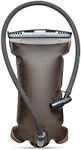
Hose and Bite ValveThe hose and bite valve are how you drink from the bladder. A good bite valve should be easy to use, not leak, and provide a steady flow of water. Some valves have shut-off switches to prevent leaks, while others are simpler. The length and flexibility of the hose also matter for comfort and convenience. If you want quick, hands-free drinking, look for a well-designed bite valve and a hose that reaches comfortably from your pack. If you plan to use the bladder in cold weather, consider insulated hoses to prevent freezing.
Material and DurabilityHydration bladders are made from different materials like polyurethane, polyethylene, or silicone. Durability is important to prevent leaks and punctures, especially if you'll be using the bladder in rugged conditions. Some materials are more flexible and easier to pack, while others are stiffer but more robust. If you need a lightweight bladder for occasional use, flexibility might be more important. For frequent or rough use, prioritize thicker, more durable materials.
Ease of CleaningKeeping your hydration bladder clean is essential for health and taste. Some bladders are easier to clean than others, with wide openings, removable hoses, and smooth interiors. If you plan to use your bladder often or with drinks other than water, look for features that make cleaning simple. If you'll only use it occasionally and with water, cleaning may be less of a concern.
Pack CompatibilityNot all hydration bladders fit in every backpack. Some are designed to work with specific hydration sleeves or clips inside packs. Check the shape and size of the bladder to ensure it fits your pack comfortably and securely. If you already have a backpack, measure the hydration compartment and compare it to the bladder's dimensions. If you're buying both together, look for compatibility features like hanging hooks or dedicated sleeves.