Buying Guide for the Best Hyaluronic Acid Serums
Choosing the right hyaluronic acid serum can make a big difference in your skincare routine. Hyaluronic acid is known for its ability to hydrate and plump the skin, but not all serums are created equal. When shopping for a serum, it's important to look beyond the marketing and focus on the key features that will best suit your skin type and goals. Understanding the main specifications will help you find a product that delivers the results you want, whether that's deep hydration, improved texture, or a lightweight feel.Hyaluronic Acid ConcentrationThis refers to the percentage of hyaluronic acid in the serum. A higher concentration can mean more intense hydration, but it can also be heavier or stickier on the skin. Serums typically range from low (around 0.2-1%), medium (1-2%), to high (2% and above). If you have sensitive or oily skin, a lower concentration may be more comfortable and less likely to cause irritation. For dry or mature skin, a higher concentration can provide deeper moisture. Consider your skin’s needs and how your skin reacts to new products when choosing the right concentration.
Molecular Weight of Hyaluronic AcidHyaluronic acid comes in different molecular weights, which affects how deeply it penetrates the skin. High molecular weight stays on the surface and provides immediate hydration and a plumping effect, while low molecular weight penetrates deeper for longer-lasting moisture. Some serums use a blend of both for balanced results. If you want quick surface hydration and a dewy look, high molecular weight is ideal. For deeper, more lasting hydration, look for low or multi-molecular formulas. Your choice should depend on whether you want instant results or long-term skin health.
Additional IngredientsMany hyaluronic acid serums include other ingredients like vitamin C, peptides, or botanical extracts. These can offer extra benefits such as brightening, anti-aging, or soothing effects. However, more ingredients can also increase the risk of irritation, especially for sensitive skin. If you have specific skin concerns like dullness or redness, look for serums with targeted ingredients. If you prefer a simple, gentle formula, choose a serum with minimal additives. Always consider your skin’s tolerance and any allergies when evaluating extra ingredients.
Texture and AbsorptionThe feel of the serum on your skin is important for daily use. Some serums are watery and absorb quickly, while others are thicker and may leave a tacky finish. Lightweight, fast-absorbing serums are great for layering under other products or for oily skin types. Thicker serums can be more hydrating for dry skin but may feel heavy in hot or humid climates. Think about your skincare routine and personal preferences when deciding on the texture that will work best for you.
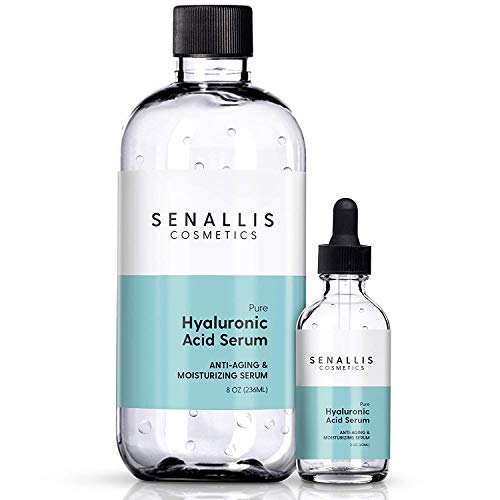
PackagingPackaging affects both the effectiveness and the shelf life of your serum. Hyaluronic acid is sensitive to air and light, so look for products in opaque or dark glass bottles with a pump or dropper to minimize exposure. This helps maintain the serum’s potency and prevents contamination. If you travel often or want something easy to use, consider the convenience and durability of the packaging. Choosing the right packaging ensures your serum stays fresh and effective for as long as possible.