Buying Guide for the Best Hummingbird Feeders
Choosing the right hummingbird feeder can make a big difference in attracting these beautiful birds to your garden and ensuring their health and safety. When shopping for a feeder, it's important to consider how easy it is to use, clean, and maintain, as well as how well it suits your local environment and the number of hummingbirds you hope to attract. Understanding the key features will help you pick a feeder that fits your needs and keeps the birds coming back.Feeder CapacityFeeder capacity refers to how much nectar the feeder can hold at one time. This is important because it determines how often you'll need to refill the feeder and how many birds can feed at once. Small feeders (under 8 ounces) are great for areas with just a few hummingbirds or if you want to keep nectar fresh by refilling often. Medium feeders (8-16 ounces) suit most gardens and can support a moderate number of birds. Large feeders (over 16 ounces) are best for places with lots of hummingbird activity. Choose a size that matches the number of birds you expect and how often you want to clean and refill the feeder.
Number of Feeding PortsThe number of feeding ports is the count of individual spots where hummingbirds can drink nectar. More ports allow more birds to feed at the same time, which is helpful if you have a busy garden. Feeders with 2-4 ports are good for low traffic, while those with 5 or more are better for attracting groups. If you notice many hummingbirds visiting, opt for more ports to reduce competition and aggression among the birds.
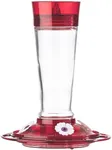
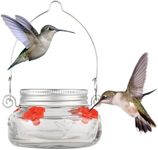
MaterialHummingbird feeders are usually made from plastic, glass, or a combination of both. Plastic feeders are lightweight and less likely to break, but they can discolor or crack over time. Glass feeders are more durable and easier to clean, but they can be heavier and break if dropped. If you want something long-lasting and easy to maintain, glass is a good choice, but if you prefer something lightweight and less expensive, plastic may be better. Consider your climate and how careful you can be with handling the feeder.
Ease of CleaningKeeping your feeder clean is crucial for the health of hummingbirds, as dirty feeders can harbor mold and bacteria. Some feeders have simple designs with wide openings and fewer parts, making them much easier to clean. Others may have narrow necks or complicated shapes that are harder to scrub. If you want to spend less time cleaning, look for feeders that can be easily taken apart and have smooth surfaces. Regular cleaning is important, so pick a feeder that matches your willingness to maintain it.
Ant and Bee GuardsAnt and bee guards are features that help keep unwanted insects from accessing the nectar. Ant moats are small water-filled barriers that ants can't cross, while bee guards are mesh or plastic barriers that prevent bees from reaching the nectar. If you live in an area with lots of insects, these features can save you a lot of trouble and keep the nectar for the hummingbirds. Choose a feeder with these guards if you notice ants or bees are a problem in your garden.
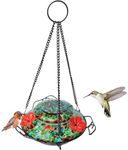
Mounting StyleThe mounting style refers to how and where you can hang or place the feeder. Some feeders are designed to hang from hooks or tree branches, while others can be mounted on poles or attached to windows. Hanging feeders are versatile and easy to move, while window-mounted feeders let you watch the birds up close. Think about where you want to enjoy watching the hummingbirds and pick a mounting style that fits your space and viewing preferences.