Buying Guide for the Best Grass Seed Blanket
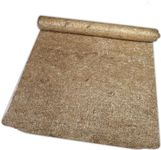
Choosing the right grass seed blanket can make a big difference in how quickly and successfully your lawn grows. Grass seed blankets are designed to help seeds stay in place, retain moisture, and protect young grass from birds and harsh weather. When picking a grass seed blanket, it's important to consider the specific needs of your lawn, such as the type of grass you want to grow, the climate in your area, and the conditions of your soil. Understanding the key features of grass seed blankets will help you select the best one for your situation.Material TypeThe material of a grass seed blanket determines how well it holds moisture, protects seeds, and eventually breaks down into the soil. Common materials include straw, coconut fiber (coir), and biodegradable paper. Straw is lightweight and good for quick coverage, but can blow away in windy areas. Coconut fiber is heavier, holds moisture well, and is more durable, making it suitable for slopes or areas prone to erosion. Biodegradable paper is easy to use and breaks down quickly, which is good for small, flat areas. Choose the material based on your yard's exposure to wind, slope, and how long you want the blanket to last.
Seed Type IncludedSome grass seed blankets come pre-seeded, while others require you to add your own seeds. Pre-seeded blankets are convenient and ensure even seed distribution, but you have less control over the grass variety. Blankets without seeds let you choose the exact type of grass that matches your climate and lawn needs. If you want a specific grass type or need to match existing grass, opt for a blanket without seeds. If convenience is your priority, a pre-seeded option may be best.
Size and Coverage AreaGrass seed blankets come in various sizes, from small rolls for patching bare spots to large sheets for covering big areas. The right size depends on the area you need to cover. For small repairs, a small roll or sheet is sufficient and easier to handle. For new lawns or large patches, larger rolls reduce the number of seams and make installation faster. Measure your area before buying to ensure you get enough coverage without too much waste.
BiodegradabilityBiodegradability refers to how quickly the blanket breaks down and becomes part of the soil. Some blankets decompose in a few weeks, while others last several months. Faster-degrading blankets are good for quick-growing grass and areas where you want the blanket to disappear soon. Slower-degrading options are better for slopes or places with erosion risk, as they provide longer protection. Consider how long you need the blanket to last based on your grass type and local weather.
Moisture RetentionMoisture retention is the blanket's ability to keep water near the seeds, which helps them germinate and grow. Blankets with higher moisture retention are especially helpful in dry or sunny areas, as they reduce the need for frequent watering. If you live in a hot or dry climate, look for blankets that advertise strong moisture-holding properties. In cooler or wetter areas, this feature is less critical but still beneficial for seedling health.
Ease of InstallationSome grass seed blankets are easier to lay down and secure than others. Lightweight blankets are simple to handle but may need extra stakes or pins to stay in place, especially in windy conditions. Heavier blankets are more stable but can be harder to move and position. If you are working alone or on a small area, choose a lighter, more manageable blanket. For larger or sloped areas, a heavier blanket may be worth the extra effort for better results.