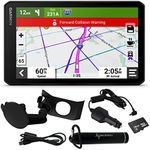
Buying Guide for the Best Garmin Gps For Trucks
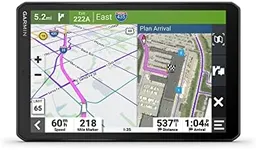
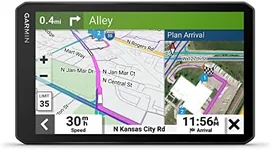
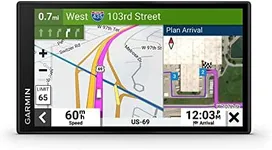
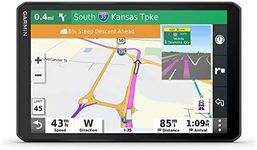
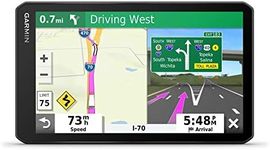
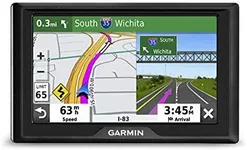
Choosing the right Garmin GPS for trucks is all about finding a device that matches your driving needs, vehicle size, and the type of routes you typically travel. Truck-specific GPS units are designed to help professional drivers avoid restricted roads, low bridges, and other hazards that can be problematic for larger vehicles. When shopping, focus on features that make your journeys safer, more efficient, and less stressful. Understanding the key specifications will help you select a GPS that fits your truck and your driving style.Screen SizeScreen size refers to the diagonal measurement of the GPS display, usually in inches. A larger screen makes it easier to read maps and directions at a glance, which is especially helpful in a big truck cab. Common sizes range from 5 to 10 inches. Smaller screens are more compact and easier to mount in tight spaces, but may be harder to read from a distance. Larger screens offer better visibility and touch controls, but take up more space. If you drive a large truck and want clear, easy-to-read directions, a bigger screen is usually better. If your cab is smaller or you prefer a less obtrusive device, a smaller screen may be sufficient.
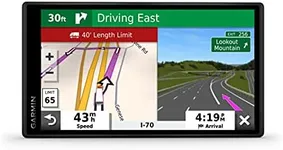
Truck Routing FeaturesTruck routing features are specialized navigation tools that consider your vehicle’s size, weight, and cargo type to avoid roads with restrictions like low bridges, weight limits, or hazardous material bans. These features are crucial for truck drivers to prevent getting stuck or fined. Some GPS units allow you to input your truck’s dimensions and load details for customized routing. If you drive different trucks or carry various loads, look for a GPS that lets you easily update these settings. For drivers with consistent routes and vehicle types, basic truck routing may be enough.
Map Updates and CoverageMap updates and coverage refer to how current and comprehensive the GPS’s maps are, and how often you can update them. Up-to-date maps are important for avoiding new road restrictions, construction, and changes in traffic patterns. Some devices offer lifetime map updates, while others may require a subscription. Coverage can vary by region, so make sure the GPS includes maps for all the areas you travel. If you drive long distances or cross borders, wide coverage and frequent updates are essential. For local or regional drivers, basic coverage may suffice.
Traffic Alerts and Live ServicesTraffic alerts and live services provide real-time information about traffic jams, accidents, road closures, and weather conditions. These features help you avoid delays and plan alternate routes. Some GPS units connect to your smartphone or use built-in cellular connections to access live data. If you often drive in busy areas or on tight schedules, real-time traffic updates can save you time and stress. If your routes are mostly rural or predictable, you may not need advanced live services.
Mounting Options and DurabilityMounting options and durability refer to how the GPS attaches to your truck and how well it withstands the rigors of the road. Some devices come with suction cup mounts, adhesive pads, or permanent brackets. Durability includes resistance to vibration, temperature changes, and dust. If you drive on rough roads or in extreme climates, look for a GPS with a sturdy build and secure mounting. If you switch vehicles often, a portable and easy-to-mount device is more convenient.
Voice Guidance and Hands-Free FeaturesVoice guidance and hands-free features allow you to receive spoken directions and control the GPS without taking your hands off the wheel. This is important for safety and convenience, especially in a large vehicle. Some units also support Bluetooth for phone calls or voice commands. If you value keeping your focus on the road, prioritize a GPS with clear, reliable voice guidance and hands-free controls. If you prefer to interact with the screen, these features may be less critical.