Buying Guide for the Best Fence Sprayers
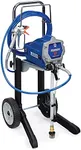
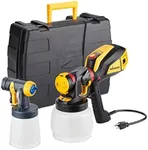
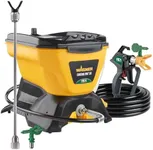
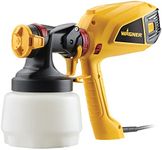
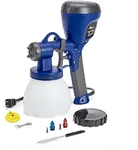
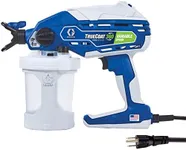
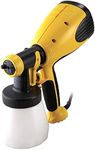
Choosing the right fence sprayer can make painting or staining your fence much faster and easier compared to using a brush or roller. The key is to find a sprayer that matches the size of your project, the type of finish you want, and your comfort level with using power tools. Understanding the main features and how they affect performance will help you select a sprayer that gives you a smooth, even finish with minimal hassle.Type of SprayerFence sprayers generally come in three main types: airless, HVLP (High Volume Low Pressure), and pump/handheld sprayers. Airless sprayers are powerful and can cover large areas quickly, making them ideal for big fences, but they can be heavier and may produce more overspray. HVLP sprayers offer more control and a finer finish, which is great for detailed work or smaller fences, but they may be slower. Pump or handheld sprayers are simple and portable, suitable for small jobs or touch-ups. To pick the right type, consider the size of your fence, how much detail work is needed, and your experience level with sprayers.
Flow RateFlow rate refers to how much paint or stain the sprayer can apply in a given time, usually measured in liters or gallons per minute. A higher flow rate means you can cover more area quickly, which is useful for large fences, but it can also mean more overspray and less control. Lower flow rates are better for precision and smaller projects. If you have a big fence and want to finish quickly, a higher flow rate is helpful. For smaller fences or if you want to avoid mess, a lower flow rate is better.
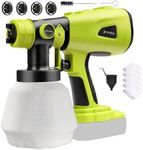
Nozzle Size and AdjustabilityThe nozzle size determines the width and thickness of the spray pattern. Adjustable nozzles let you change the spray pattern from narrow to wide, which is useful for different parts of the fence or for switching between paint and stain. Larger nozzles are good for thick paints and fast coverage, while smaller nozzles are better for thin stains and detailed work. If you want flexibility, look for a sprayer with adjustable or interchangeable nozzles.
Ease of CleaningCleaning a sprayer after use is important to keep it working well and to prevent clogs. Some sprayers are designed to be easy to take apart and clean, while others can be more complicated. If you plan to use your sprayer often or switch between different types of finishes, choose one that is easy to clean. This will save you time and frustration in the long run.
Portability and WeightThe weight and portability of a sprayer affect how easy it is to use, especially for long periods or on large fences. Lighter, handheld models are easier to move around but may have smaller paint containers and less power. Larger, wheeled or backpack models can hold more paint and cover more area but may be heavier and harder to maneuver. Think about how much you can comfortably carry and how far you need to move the sprayer while working.
Power SourceFence sprayers can be powered by electricity, batteries, or manual pumping. Electric sprayers offer consistent power and are good for big jobs, but you need access to an outlet. Battery-powered sprayers are more portable but may need recharging for long projects. Manual pump sprayers are simple and don’t need power, but they require more effort and are best for small jobs. Choose a power source that matches your project size and where you’ll be working.