Buying Guide for the Best Face Tape For Wrinkles
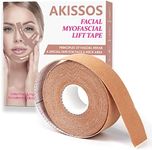
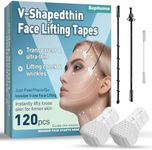
Choosing the right face tape for wrinkles can make a noticeable difference in your skincare routine. Face tapes are designed to temporarily smooth out wrinkles and fine lines by gently pulling the skin taut. When shopping for face tape, it's important to consider how comfortable, effective, and safe the product is for your skin type and intended use. Understanding the key features will help you select a tape that fits your needs and delivers the results you want.Adhesive StrengthAdhesive strength refers to how well the tape sticks to your skin. This is important because a tape that is too weak may not hold your skin in place, while one that is too strong could cause discomfort or irritation when removed. Adhesive strength can range from light (easy to remove, suitable for sensitive skin or short-term use), medium (balanced hold for most users and overnight wear), to strong (firm hold for longer periods or for those with oily skin). To pick the right adhesive strength, consider your skin sensitivity and how long you plan to wear the tape. If you have sensitive skin or plan to use the tape daily, a lighter adhesive is best. For longer wear or more dramatic results, a medium or strong adhesive may be more suitable.
MaterialThe material of the face tape affects comfort, breathability, and how natural it looks on your skin. Common materials include medical-grade silicone, fabric, and transparent plastic. Silicone is gentle and hypoallergenic, making it ideal for sensitive skin. Fabric tapes are soft and flexible, offering comfort for overnight use. Transparent plastic tapes are less noticeable but may be less breathable. When choosing the material, think about your skin type, any allergies, and whether you want the tape to be discreet for daytime use or comfortable for overnight wear.
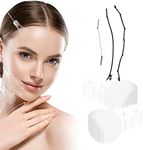
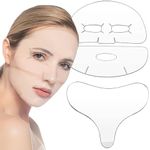
Size and ShapeFace tapes come in various sizes and shapes to target different areas of the face, such as the forehead, eyes, or mouth. Larger, rectangular tapes are good for broad areas like the forehead, while smaller, curved or oval shapes are designed for delicate spots like under the eyes or around the mouth. To choose the right size and shape, identify which areas of your face you want to treat and select tapes that are designed for those regions. Using the correct shape ensures better results and a more comfortable fit.
Skin CompatibilitySkin compatibility means how well the tape works with your skin type and whether it causes irritation or allergic reactions. Some tapes are labeled as hypoallergenic or dermatologist-tested, which are safer choices for sensitive or allergy-prone skin. If you have a history of skin reactions, look for tapes with these labels and avoid those with added fragrances or harsh chemicals. Testing a small patch before full use is always a good idea to ensure compatibility.
Ease of RemovalEase of removal is about how gently the tape comes off your skin without causing redness or pulling. Some tapes are designed to peel off easily, while others may require a bit of water or oil to loosen the adhesive. If you have delicate or mature skin, look for tapes that advertise easy removal to avoid unnecessary irritation. If you plan to use the tape frequently, this feature becomes even more important to maintain healthy skin.