Buying Guide for the Best Electric Foot Sander
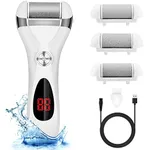
Choosing the right electric foot sander can make a big difference in your foot care routine, helping you keep your feet smooth and comfortable with less effort. When shopping for one, it's important to think about how often you'll use it, what kind of results you want, and how easy it is to handle and maintain. Understanding the main features will help you find a sander that fits your needs and makes the process safe and effective.Power SourceThe power source refers to how the foot sander is powered—either by batteries, rechargeable batteries, or by plugging into an outlet. This is important because it affects convenience and portability. Battery-powered models are easy to use anywhere but may need frequent battery changes, while rechargeable ones offer more flexibility and save on battery costs. Plug-in models provide consistent power but require access to an outlet. If you travel often or want to use the sander in different places, a rechargeable or battery-powered model is best. For home use where an outlet is always available, a plug-in model might be more suitable.
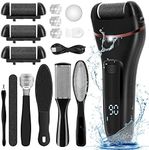
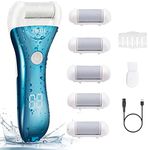
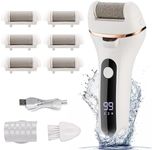
Abrasive Roller or Disc TypeThe abrasive roller or disc is the part that actually sands your feet, and it comes in different materials and coarseness levels. This matters because it determines how gentle or aggressive the sander is on your skin. Fine rollers are good for sensitive skin or light smoothing, while coarse rollers are better for removing thick, hard calluses. Some sanders let you swap out rollers for different needs. If you have delicate skin, look for a model with fine or adjustable rollers. If you have tough calluses, a coarser option will be more effective.
Speed SettingsSpeed settings control how fast the sander spins or moves. This is important because different feet and skin conditions require different levels of intensity. Basic models may have just one speed, while others offer two or more. Lower speeds are gentler and better for sensitive areas, while higher speeds work faster on tough skin. If you want more control and versatility, choose a model with multiple speed settings. If you just need simple maintenance, a single-speed sander may be enough.
Ergonomics and GripErgonomics and grip refer to how comfortable and easy the sander is to hold and use. This is important because a comfortable grip reduces hand fatigue and makes it easier to reach all areas of your feet. Some sanders have curved handles or non-slip surfaces for better control. If you have limited hand strength or plan to use the sander often, look for a model with a comfortable, easy-to-hold design.
Ease of CleaningEase of cleaning means how simple it is to keep the sander hygienic after use. This is important because foot care tools can collect dead skin and bacteria. Some models have removable rollers or heads that can be washed, while others may be harder to clean. If you want to keep things sanitary with minimal effort, look for a sander with parts that are easy to remove and rinse.
Noise LevelNoise level refers to how loud the sander is when in use. This matters if you prefer a quiet environment or plan to use the sander at times when others are sleeping. Quieter models are more comfortable to use, especially for longer sessions. If noise is a concern for you, check for models that are described as low-noise or quiet.