Buying Guide for the Best Electric Bike Rack For Rv
Choosing the right electric bike rack for your RV is important to ensure your bikes are transported safely and securely, and that the rack fits your RV and your lifestyle. Since electric bikes are heavier than regular bikes, not all racks are suitable. You’ll want to consider how many bikes you need to carry, the weight of your bikes, how easy it is to load and unload them, and how the rack attaches to your RV. Understanding the key features will help you make a choice that matches your travel habits and keeps your bikes protected on the road.Weight CapacityWeight capacity refers to the maximum total weight the rack can safely hold. This is especially important for electric bikes, which are often much heavier than standard bikes. Racks typically range from supporting around 60 pounds per bike up to 80 pounds or more. If your e-bikes are on the heavier side, make sure to check both the per-bike and total rack capacity. Always choose a rack that can handle the combined weight of your bikes to avoid damage or unsafe travel.
Number of BikesThis spec tells you how many bikes the rack can carry at once. Most racks are designed for two bikes, but some can hold three or four. If you travel solo or as a couple, a two-bike rack is usually enough. For families or groups, look for racks with higher capacity. Remember, the more bikes you carry, the more important it is to check the total weight limit.
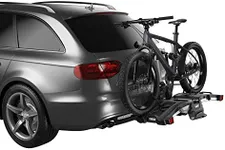
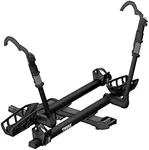
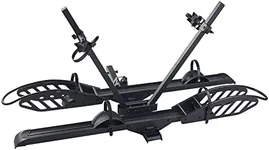
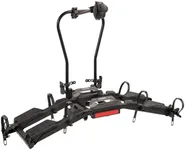
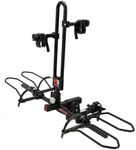
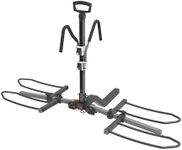
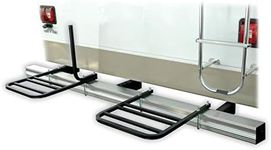
Mounting TypeMounting type describes how the rack attaches to your RV. Common options include hitch-mounted, ladder-mounted, and bumper-mounted racks. Hitch-mounted racks are the most stable and are best for heavy e-bikes, but require your RV to have a compatible hitch receiver. Ladder and bumper mounts are lighter and may be suitable for lighter bikes or smaller RVs. Choose the mounting type that matches your RV’s setup and provides the most secure attachment for your needs.
Bike Attachment MethodThis refers to how the bikes are held in place on the rack. Some racks use frame clamps, others use wheel trays or straps. Frame clamps are sturdy and good for heavy bikes, but may not fit all frame shapes. Wheel trays are easier on the bike’s frame and can be more versatile. Consider your bike’s frame design and whether you want a rack that avoids contact with the frame to prevent scratches or damage.
Ease of Loading and UnloadingThis spec is about how simple it is to get your bikes on and off the rack. Some racks are designed to be low to the ground or have ramps, making it easier to lift heavy e-bikes. If you have trouble lifting heavy items or want a more convenient experience, look for racks with features that reduce lifting or allow for roll-on loading.
Security FeaturesSecurity features include locks for the bikes and the rack itself. These help prevent theft when you’re parked or away from your RV. Some racks come with integrated locks, while others require you to buy them separately. If you often leave your bikes unattended, prioritize racks with strong security options.
RV CompatibilityNot all bike racks are rated for use on RVs, as the movement and vibration can be more intense than on regular vehicles. Look for racks that are specifically labeled as RV-approved. This ensures they are built to handle the extra stress and will last longer without failing.