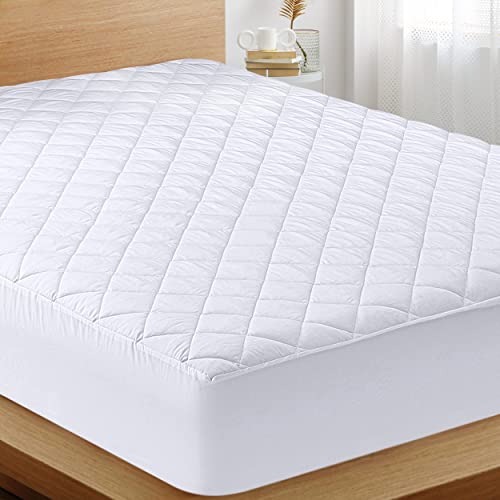
Buying Guide for the Best Dust Mite Mattress Protector
Choosing a dust-mite mattress protector is an important step for anyone looking to improve their sleep environment, especially if you suffer from allergies or asthma. A good mattress protector acts as a barrier between you and the dust mites that can accumulate in your mattress over time. When shopping for one, it's important to consider several key features that affect comfort, protection, and ease of use. Understanding these features will help you select a protector that best fits your needs and lifestyle.MaterialThe material of a dust-mite mattress protector determines its comfort, breathability, and effectiveness at blocking allergens. Common materials include cotton, polyester, and specialized fabrics like microfiber or encasements with membrane backings. Cotton is soft and breathable, making it comfortable for most sleepers, while polyester and microfiber are often more durable and resistant to moisture. Some protectors use a combination of materials for added benefits. If you have sensitive skin or get hot at night, look for natural, breathable fabrics. If your main concern is maximum protection, consider materials with a tightly woven structure or a membrane layer.
Allergen Barrier (Weave Density or Membrane)The effectiveness of a mattress protector against dust mites largely depends on its weave density or the presence of a membrane barrier. A tightly woven fabric (measured in microns or thread count) physically blocks dust mites and their allergens from passing through. Membrane barriers, often made from polyurethane, provide an additional layer of protection. For those with severe allergies, a protector with a membrane or a very tight weave (under 10 microns) is ideal. If you want a balance between breathability and protection, a high thread count fabric without a membrane may suffice.
WaterproofingWaterproof mattress protectors prevent liquids from seeping into your mattress, which can help prevent mold, mildew, and further allergen buildup. Waterproofing is usually achieved with a thin membrane layer. If you have children, pets, or are concerned about spills and stains, a waterproof protector is a good choice. If you prioritize breathability and don't need liquid protection, you might opt for a non-waterproof version for a cooler sleep experience.
Fit and Encasement StyleThe way a mattress protector fits your mattress affects both its effectiveness and comfort. Some protectors are fitted like a sheet, covering only the top and sides, while others fully encase the mattress with a zipper closure. Full encasement protectors offer the best protection against dust mites, as they seal off all entry points. Fitted protectors are easier to put on and remove but may not provide complete coverage. If you have severe allergies or want maximum protection, choose a full encasement style. For everyday use and convenience, a fitted style may be sufficient.
Ease of CleaningMattress protectors need to be washed regularly to maintain their effectiveness. Check if the protector is machine washable and can withstand frequent laundering without losing its protective qualities. Some materials are more durable and easier to care for than others. If you want a low-maintenance option, look for protectors that can be washed and dried at home without special care instructions.
BreathabilityBreathability refers to how well air can circulate through the mattress protector, affecting your comfort and sleep temperature. Some protectors, especially those with waterproof membranes, can trap heat and feel less comfortable for hot sleepers. If you tend to sleep warm, look for protectors made from natural fibers or those specifically designed to be breathable. If protection is your top priority and you don't mind a slightly warmer sleep surface, a less breathable but more protective option may be suitable.