Buying Guide for the Best Decongestant For Sinuses
Choosing the right decongestant for your sinuses can make a big difference in how quickly and comfortably you recover from congestion. Decongestants work by reducing swelling in the nasal passages, making it easier to breathe. However, not all decongestants are the same, and picking the right one depends on your symptoms, health conditions, and preferences. It's important to understand the key features of decongestants so you can select the one that best fits your needs and helps you feel better faster.Active IngredientThe active ingredient is the main component that provides the decongestant effect. Common active ingredients include pseudoephedrine and phenylephrine. Pseudoephedrine is often considered more effective but may have more restrictions on purchase, while phenylephrine is more widely available but sometimes seen as less potent. When choosing, consider your sensitivity to medications and any advice from your healthcare provider, especially if you have conditions like high blood pressure or heart issues, as some ingredients can affect these.
Formulation TypeDecongestants come in several forms, such as tablets, capsules, liquids, nasal sprays, and drops. Tablets and capsules are convenient for all-day relief, while liquids may be easier for children or those who have trouble swallowing pills. Nasal sprays and drops provide quick, targeted relief but should not be used for more than a few days to avoid rebound congestion. Your choice should depend on how quickly you want relief, how long you need it to last, and your comfort with each form.
Duration of ActionThis refers to how long the decongestant works after you take it. Some are short-acting and need to be taken every 4-6 hours, while others are long-acting and can last up to 12 or 24 hours. If you need all-day or overnight relief, a long-acting option may be best. If you only need relief for a short period, a short-acting decongestant might be sufficient. Think about your daily routine and when you most need relief to guide your choice.
Side EffectsDecongestants can cause side effects such as increased heart rate, insomnia, nervousness, or dry mouth. Some people are more sensitive to these effects, especially those with certain health conditions. If you are prone to side effects or have underlying health issues, look for milder options or consult with a healthcare provider before choosing. Always read the label and be aware of how your body reacts to medications.
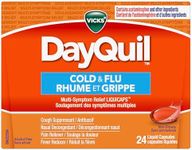
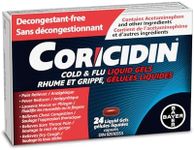
Combination with Other IngredientsMany decongestants are combined with other medications, such as pain relievers, antihistamines, or cough suppressants. These combinations can be helpful if you have multiple symptoms, like sinus pressure and headache or congestion and sneezing. However, if you only need a decongestant, a single-ingredient product may be better to avoid unnecessary medication. Consider your full range of symptoms and choose a product that matches what you need.