We Use CookiesWe use cookies to enhance the security, performance,
functionality and for analytical and promotional activities. By continuing to browse this site you
are agreeing to our privacy policy
Best Coverstitch Machine
From leading brands and best sellers available on the web.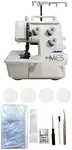
#2
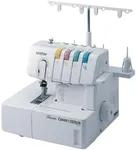
Brother
Brother Coverstitch Serger, 2340CV, Sturdy Metal Frame, 1,100 Stitches Per Minute, Trim Trap, Included Snap-on Presser Feet
View Product
#3
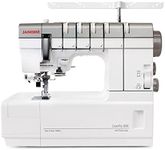
Janome
Janome Cover Pro 3000 - Top Of Line Advanced Home Cover Stitch Machine
View Product
#4
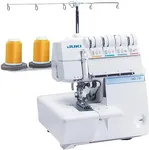
JUKI
Juki MO-735 5-Thread Serger & Cover Hem
View Product
#5
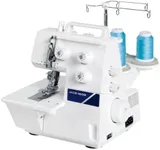
JUKI
Juki MCS-1600 Cover Stitch and Chain Stitch Sewing Machine with Super Easy Looper Threading, 1,350 Stitches Per Minute, and Differential Feed Adjustment (White)
View Product
Buying Guide for the Best Coverstitch Machine
Choosing a coverstitch machine can make a big difference in the quality and finish of your sewing projects, especially if you work with knit fabrics or want professional-looking hems and seams. The right machine will depend on your sewing habits, the types of fabrics you use, and the features that matter most to you. Understanding the key specifications will help you find a machine that fits your needs and makes your sewing experience smoother and more enjoyable.Number of ThreadsThe number of threads a coverstitch machine can use at once determines the types of stitches you can create. Machines typically offer two, three, or four-thread options. Two-thread coverstitch is good for lightweight fabrics and simple hems, while three or four-thread options provide stronger, more decorative stitches and are better for thicker or stretchier fabrics. If you mostly sew basic hems, a two-thread machine may be enough, but if you want versatility for different projects and fabrics, look for a machine that offers three or four-thread capability.
Stitch Width and Length AdjustmentStitch width and length refer to how wide and long each stitch is. Being able to adjust these settings allows you to customize the look and strength of your seams. Narrower stitches are good for delicate fabrics, while wider stitches work well for thicker or stretchier materials. Adjustable stitch length lets you control how tight or loose the stitches are, which can affect both appearance and durability. If you work with a variety of fabrics, having adjustable stitch width and length is important for flexibility.
Differential FeedDifferential feed is a feature that helps prevent stretching or puckering of fabric as you sew, especially with knits or stretchy materials. It works by allowing the front and back feed dogs to move at different speeds, which can either stretch or gather the fabric as needed. If you often sew with stretchy or lightweight fabrics, a machine with differential feed will help you achieve smooth, professional results without distortion.
Ease of ThreadingThreading a coverstitch machine can be tricky, especially for beginners. Some machines have color-coded guides, lay-in threading, or even automatic threading features to make the process easier. If you value convenience and want to avoid frustration, look for a machine that is known for easy threading. This is especially important if you plan to change thread colors or types frequently.
Free Arm CapabilityA free arm is a removable section of the sewing bed that allows you to sew small, circular items like sleeves, cuffs, and hems more easily. If you often work on garments or projects with tight spaces, a machine with a free arm will make these tasks much simpler and give you more control over your sewing.
Presser Foot Pressure AdjustmentPresser foot pressure adjustment lets you control how tightly the presser foot holds the fabric as you sew. This is important for working with different fabric thicknesses and types. Lighter pressure is better for delicate or stretchy fabrics, while heavier pressure helps feed thicker materials evenly. If you sew a wide range of fabrics, having this adjustment will help you get better results and avoid fabric damage.
Speed ControlSpeed control allows you to adjust how fast the machine sews. Slower speeds are helpful for beginners or for detailed work, while higher speeds are useful for long, straight seams or experienced users. If you want more control over your sewing pace, look for a machine with adjustable speed settings.