Buying Guide for the Best Cordless Tillers
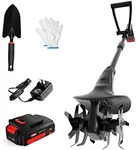
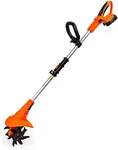
Choosing the right cordless tiller can make gardening and soil preparation much easier and more enjoyable. Cordless tillers are powered by rechargeable batteries, offering freedom of movement without the hassle of cords or the noise and maintenance of gas engines. When picking a cordless tiller, it's important to consider how you'll use it—whether for small garden beds, larger plots, or tougher soil. Understanding the key features will help you find a model that matches your gardening needs and physical comfort.Battery Voltage and CapacityBattery voltage and capacity determine how powerful the tiller is and how long it can run on a single charge. Higher voltage usually means more power, which is helpful for breaking up tough or compacted soil. Battery capacity, measured in amp-hours (Ah), affects how long you can use the tiller before needing to recharge. For light, occasional use in soft soil, a lower voltage and capacity may be enough. If you have larger areas or harder soil, look for higher values to ensure the tiller can handle the job without frequent recharging.
Tilling WidthTilling width is the width of soil the tiller can work in one pass. Wider tillers cover more ground quickly, making them suitable for larger gardens or open spaces. Narrower tillers are easier to maneuver in tight spots, raised beds, or between rows of plants. Think about the size and layout of your garden—choose a width that balances efficiency with the ability to navigate your planting areas.
Tilling DepthTilling depth refers to how deep the blades can dig into the soil. Deeper tilling is useful for preparing new garden beds or breaking up hard ground, while shallower settings are fine for mixing in compost or aerating existing beds. Many cordless tillers offer adjustable depth settings. Consider what types of gardening you do most often and pick a tiller that can reach the depths you need.
Weight and ErgonomicsThe weight and design of the tiller affect how easy it is to use, especially for longer periods. Lighter models are easier to handle and transport, which is important if you have limited strength or need to carry the tiller around your yard. Ergonomic handles and adjustable shafts can make operation more comfortable. Think about your physical comfort and how long you’ll typically use the tiller at one time when considering these features.
Number and Type of TinesTines are the blades that dig into the soil. The number and design of tines influence how effectively the tiller breaks up dirt and handles weeds. More tines or specialized shapes can improve performance in tough soil or when dealing with roots. If you have heavy clay or lots of weeds, look for a tiller with robust, durable tines. For lighter work, fewer or simpler tines may be sufficient.
Ease of MaintenanceCordless tillers generally require less maintenance than gas models, but it’s still important to consider how easy it is to clean and care for the tiller. Removable tines, accessible battery compartments, and simple controls can make upkeep easier. If you prefer low-maintenance tools, look for features that simplify cleaning and battery care.