We Use CookiesWe use cookies to enhance the security, performance,
functionality and for analytical and promotional activities. By continuing to browse this site you
are agreeing to our privacy policy
Best Check Valves For Sump Pumps
From leading brands and best sellers available on the web.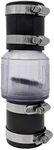
#2
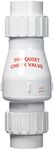
Zoeller
1.5" PVC Quiet Union Check Valve
View Product
#3
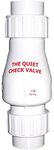
Campbell
Campbell FBA_B-0823-20 Check Valve Quiet WHT 2" [Misc.], No Size, No Color
View Product
#4
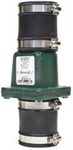
Zoeller
Zoeller 30-0151 2-Inch Cast Iron Slip x Slip Check Valve Union
View Product
#5
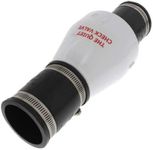
Zoeller
19%OFF
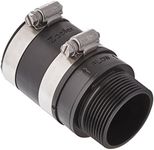
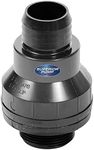
Zoeller 30-0241 Quiet Check Valve 1.5" PVC Hose clamp
View Product
Related Products
#6
Zoeller
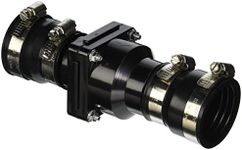
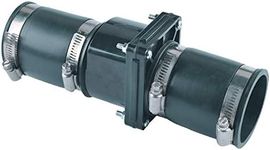
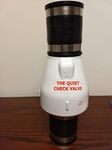
Zoeller 30-0243 Valve, Quiet Check 2"PVC Hose Clamp White 2” check valve
View Product
#7
Valterra
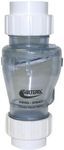
Valterra 200-CU20 PVC Swing/Spring Combination Check Valve, Clear, 2" Union
View Product
#8

Superior Pump
35%OFF
Superior Pump 99555 Universal Check Valve; fits all: 1-1/4" and 1-1/2" MPT and FPT , Black
View Product
#9
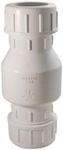
Liberty Pumps
Liberty Pumps CV200C 2-Inch Compression Check Valve
View Product
#10

Zoeller
Zoeller 30-0181 1-1/2 Inch Check Valve
View Product
Recommended lists
Top rated
Sump Pumps
Sump Pumps
Buying Guide for the Best Check Valves For Sump Pumps
Choosing the right check valve for your sump pump is important to ensure that water flows in the correct direction and doesn't return to your sump pit after being pumped out. A check valve acts as a one-way gate, preventing backflow and helping your pump work efficiently. When selecting a check valve, it's important to consider the type, size, material, and installation method to match your sump pump system and the conditions in your home.Valve TypeThe type of check valve refers to the mechanism it uses to prevent backflow, such as swing, spring-loaded, or flapper designs. This is important because different types offer varying levels of noise, reliability, and resistance to clogging. Swing and flapper valves are common and tend to be quieter, while spring-loaded valves close more quickly but may be noisier. If you want a quieter operation, a swing or flapper valve is a good choice, but if you need a fast-closing valve to prevent water hammer, a spring-loaded type may be better. Consider your noise tolerance and the likelihood of debris in your system when choosing.
Pipe Size CompatibilityPipe size compatibility means the check valve must fit the diameter of your sump pump's discharge pipe, usually measured in inches. This is crucial because a mismatch can cause leaks or reduce the efficiency of your system. Common sizes are 1-1/4 inch and 1-1/2 inch. To pick the right one, check the size of your discharge pipe and select a valve that matches exactly. If you are unsure, measure the outside diameter of your pipe or consult your pump's manual.
MaterialThe material of the check valve affects its durability and resistance to corrosion. Most check valves are made from PVC (plastic), brass, or stainless steel. PVC is lightweight and resistant to rust, making it suitable for most residential sump pumps. Brass and stainless steel are more durable and better for heavy-duty or high-pressure systems, but they can be more expensive. If your sump pump is in a typical home setting, PVC is usually sufficient, but for harsher environments or if you want a longer-lasting valve, consider metal options.
Installation MethodInstallation method refers to how the check valve attaches to your piping, such as slip-on, threaded, or clamp-on connections. This matters because it affects how easy the valve is to install or replace. Slip-on and clamp-on types are generally easier for DIY installation, while threaded connections provide a more secure fit but may require tools and plumbing experience. If you plan to install the valve yourself, look for a style that matches your skill level and the type of piping you have.
Flow Direction IndicatorA flow direction indicator is a marking on the valve that shows which way water should flow through it. This is important because installing the valve backward will prevent your sump pump from working properly. Most valves have an arrow or label showing the correct direction. Always check for this indicator and make sure to install the valve so that water flows away from the sump pit.
Noise LevelNoise level refers to how much sound the valve makes when it closes after the pump shuts off. Some valves can make a loud 'clunk' that may be bothersome, especially if your sump pump is near living spaces. If quiet operation is important to you, look for valves that are specifically designed to reduce noise, such as those with soft-closing mechanisms or rubber flappers. Consider your tolerance for noise and the location of your sump pump when making your choice.