We Use CookiesWe use cookies to enhance the security, performance,
functionality and for analytical and promotional activities. By continuing to browse this site you
are agreeing to our privacy policy
Best Cello Strings
From leading brands and best sellers available on the web.
#2
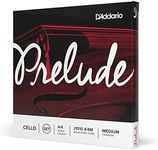
D'Addario
Strings Cello Prelude 4/4 set coiled
View Product
#3

Pirastro
Pirastro Evah Pirazzi 4/4 Gold Cello String Set, Medium, Premium Steel Strings with Ball End, Replacement Accessory for Professional and Student Cello Players
View Product
#4
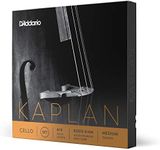
D'Addario
D'Addario Kaplan Cello Set Med (KS5104/4M)
View Product
#5

Larsen and Spirocore
Cello Strings 4/4 Set Larsen Medium A+D, Spirocore Tungsten G+C
View Product
Related Products




#6
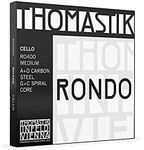
Thomastik
Thomastik-Infeld RONDO Strings for Cello 4/4 G3 RO43
View Product
#7

Thomastik
Thomastik-Infeld S31 Spirocore Cello Strings, Complete Set, 4/4 Size, Rope Core
View Product
#8
LS Larsen Strings
LS Larsen Strings Cello Strings (LCAUR-SET)
View Product
#9

Larsen
Larsen 4/4 Cello A String Medium Alloy-Steel
View Product
#10
Jargar
Jargar 4/4 Cello A String Medium Chromesteel
View Product


Buying Guide for the Best Cello Strings
Choosing the right cello strings can make a big difference in your playing experience and the sound of your instrument. The right strings can help you achieve the tone you want, make your cello easier to play, and even extend the life of your instrument. When picking cello strings, it's important to consider your playing style, the type of music you play, and the characteristics of your cello. Understanding the key specifications will help you make an informed choice that matches your needs and preferences.String MaterialString material refers to what the core and winding of the string are made from. The most common materials are gut, steel, and synthetic. Gut strings offer a warm, rich sound but can be sensitive to temperature and humidity. Steel strings are more stable, have a bright sound, and are often easier to play for beginners. Synthetic strings aim to combine the warmth of gut with the stability of steel. If you play classical or baroque music and want a traditional sound, gut might be best. For modern styles or if you need durability and stability, steel or synthetic are good choices.
String Gauge (Thickness)String gauge is the thickness of the string, usually described as light, medium, or heavy. Lighter gauge strings are easier to press down and produce a brighter sound, but may not be as loud. Heavier gauge strings require more finger pressure but can produce a fuller, more powerful tone. Medium gauge is a balanced choice for most players. If you are a beginner or have a smaller cello, lighter strings might be more comfortable. Advanced players or those seeking a strong, projecting sound might prefer heavier gauges.
TensionTension refers to how tightly the string is stretched when tuned to pitch. Higher tension strings can produce a louder, more focused sound but may be harder to play and put more stress on your cello. Lower tension strings are easier to play and can give a warmer, more flexible tone. If you want a powerful, projecting sound and your cello can handle it, higher tension might be suitable. For a softer, more nuanced sound or if your cello is older or delicate, lower tension is a safer choice.
String LongevityString longevity is about how long the strings last before they lose their tone or break. Some materials and constructions last longer than others. Steel and synthetic strings generally last longer than gut strings. If you play frequently or perform often, choosing strings known for durability can save you time and effort in changing them. If you play occasionally or prioritize sound over lifespan, you might choose strings with a shorter life but a sound you love.
Sound CharacterSound character describes the overall tone the string produces, such as warm, bright, mellow, or powerful. Different strings can dramatically change the sound of your cello. If you want a rich, deep sound, look for strings described as warm or mellow. If you prefer a clear, sharp sound, look for bright or focused strings. Think about the style of music you play and the sound you want to achieve, and use these descriptions to guide your choice.