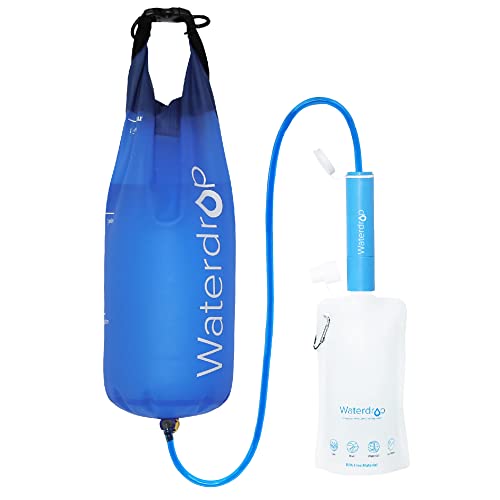
Buying Guide for the Best Camping Water Purifiers
Choosing the right camping water purifier is essential for staying healthy and hydrated during outdoor adventures. The main goal is to ensure that the water you drink is safe from harmful bacteria, viruses, and other contaminants. When picking a purifier, think about where you'll be camping, the type of water sources you'll encounter, and how many people will be using it. Understanding the key features will help you select a purifier that matches your needs and keeps your trips worry-free.Purification MethodThe purification method refers to how the device removes or kills contaminants in the water. Common methods include filters (which physically block particles and some microbes), chemical treatments (which use tablets or drops to kill pathogens), and UV light (which destroys microorganisms with ultraviolet rays). Filters are great for removing dirt and protozoa, while chemical and UV methods are better for viruses. If you’re camping in areas with clear water but possible viruses, chemical or UV might be best. For murky water, a filter is more effective. Consider your destination and the likely contaminants to choose the right method.
Flow RateFlow rate is how quickly the purifier can process water, usually measured in liters per minute. A higher flow rate means you can get clean water faster, which is useful for groups or when you need to purify a lot of water at once. Lower flow rates are common in compact or lightweight models, which are better for solo hikers or those who don’t mind waiting. Think about how many people will use the purifier and how much water you’ll need at a time to decide what flow rate works for you.
Weight and SizeWeight and size determine how easy it is to carry the purifier. Lightweight and compact purifiers are ideal for backpackers and solo travelers who need to save space and reduce pack weight. Larger or heavier models may offer more capacity or faster purification but are better suited for car camping or group trips. Consider how much space you have in your pack and how far you’ll be carrying your gear when choosing the right size.
Filter LifespanFilter lifespan tells you how much water the purifier can treat before the filter needs to be replaced. This is usually measured in liters or gallons. A longer lifespan means less maintenance and fewer replacements, which is helpful for extended trips or frequent use. If you only camp occasionally, a shorter lifespan may be fine. Think about how often you’ll use the purifier and how easy it is to get replacement filters when making your choice.
Ease of UseEase of use covers how simple the purifier is to operate, clean, and maintain. Some purifiers require pumping, squeezing, or assembling parts, while others are as easy as dropping a tablet in water or pressing a button. If you want something quick and straightforward, look for a model with minimal steps. If you don’t mind a bit of effort for more thorough purification, a pump or squeeze filter might be suitable. Consider your comfort with using gear and how much time you want to spend on water treatment.
Effectiveness Against ContaminantsEffectiveness against contaminants means what types of harmful substances the purifier can remove or neutralize, such as bacteria, protozoa, viruses, and chemicals. Not all purifiers handle every type of contaminant. If you’re traveling in areas with known virus risks, make sure your purifier is rated for viruses. For most backcountry water in developed countries, protection against bacteria and protozoa is usually enough. Check the product’s claims and match them to the risks in your camping area.