Buying Guide for the Best Bread Flours
Choosing the right bread flour is essential for baking delicious, well-textured bread at home. The type of flour you select will affect the bread’s rise, crumb, flavor, and even how easy it is to work with the dough. Understanding the key characteristics of bread flours will help you match the flour to your baking goals, whether you want a chewy artisan loaf, a soft sandwich bread, or something in between.Protein ContentProtein content in flour determines how much gluten will form when you mix and knead your dough. Gluten is what gives bread its structure and chewiness. Bread flours usually have higher protein content than all-purpose flour, typically ranging from about 11% to 14%. Lower protein flours (around 10-11%) are best for softer breads like sandwich loaves, while higher protein flours (12-14%) are ideal for crusty, chewy breads like baguettes or artisan loaves. To pick the right one, think about the texture you want: softer and lighter breads need less protein, while denser, chewier breads need more.
Bleached vs. UnbleachedBleached flour has been treated to speed up the aging process, resulting in a softer texture and lighter color, while unbleached flour is aged naturally and tends to have a denser texture and more robust flavor. For most bread baking, unbleached flour is preferred because it provides better structure and flavor, but bleached flour can be used for softer breads. If you want a more natural product and a heartier loaf, go for unbleached; if you prefer a softer crumb, bleached might be suitable.
Whole Wheat vs. White Bread FlourWhole wheat bread flour contains the entire wheat kernel, including the bran and germ, which gives bread a nuttier flavor and denser texture, as well as more fiber and nutrients. White bread flour is made from just the endosperm, resulting in a lighter color and softer texture. If you want a healthier, more filling bread, choose whole wheat; if you prefer a lighter, airier loaf, white bread flour is the way to go. You can also mix the two to balance nutrition and texture.
Enriched vs. Non-EnrichedEnriched flours have vitamins and minerals added back in after processing, which can be beneficial for nutrition, especially if you’re baking bread as a staple food. Non-enriched flours are more natural but may lack some nutrients. If you’re concerned about nutrition, especially for family meals, enriched flour is a good choice. If you prefer a more natural product and get nutrients from other sources, non-enriched is fine.
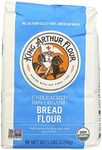
Organic vs. ConventionalOrganic bread flour is made from wheat grown without synthetic pesticides or fertilizers, and is often less processed. Conventional flour is produced using standard farming and processing methods. If you value organic farming practices or want to avoid certain chemicals, organic flour is a good fit. If this is less important to you, conventional flour will work just as well for most baking needs.