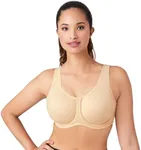
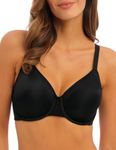
Buying Guide for the Best Bras For Heavy Breasts
Choosing the right bra for heavy breasts is all about finding a balance between comfort, support, and style. The right bra can make a huge difference in how you feel throughout the day, helping to reduce discomfort, improve posture, and boost confidence. When shopping, it's important to focus on features that provide adequate support and distribute weight evenly, while also considering your personal preferences for shape and appearance. Understanding the key specifications will help you make an informed choice that suits your body and lifestyle.Band SupportThe band is the part of the bra that wraps around your torso and provides most of the support for your breasts. For heavy breasts, a wider and firmer band is crucial because it helps distribute weight more evenly and prevents the bra from riding up or digging in. Bands typically range from narrow to wide; narrow bands may be less supportive, while wider bands offer more stability. When choosing, make sure the band feels snug but not too tight, and sits level around your body. If you have heavy breasts, prioritize bras with a wider, sturdy band for better support.
Cup ConstructionCup construction refers to how the cups are designed and built to hold and shape the breasts. For heavy breasts, full-coverage cups or those with reinforced seams and side panels are ideal because they help contain the breast tissue and prevent spillage. Cups can be soft, molded, or have extra lining; molded and lined cups offer more structure, while soft cups may feel lighter but provide less shape. If you want maximum support and a smooth silhouette, look for bras with full-coverage, structured cups.
Strap Width and AdjustabilityStraps help lift the breasts and keep the bra in place, but they shouldn't bear all the weight. Wider straps are better for heavy breasts because they distribute pressure more comfortably and are less likely to dig into your shoulders. Adjustable straps allow you to customize the fit, which is important for comfort and support. If you have heavy breasts, opt for bras with wide, padded, and fully adjustable straps to reduce shoulder strain.
UnderwireAn underwire is a thin, semi-circular strip sewn into the bottom of the cup to provide extra lift and separation. For heavy breasts, underwires can help support and shape the bust, but they need to fit well to avoid discomfort. Some people prefer wireless bras for comfort, but these may offer less support for heavier breasts. If you choose an underwire bra, make sure the wire sits flat against your ribcage and doesn't poke or pinch. If you find underwires uncomfortable, look for wireless bras specifically designed for support.
Material and BreathabilityThe material of the bra affects both comfort and durability. Heavier breasts benefit from bras made with strong, supportive fabrics like power mesh or reinforced cotton blends. Breathable materials help prevent sweating and irritation, especially if you wear your bra for long periods. When choosing, consider how the fabric feels against your skin and whether it provides enough support without being too stiff or hot. If you have sensitive skin or live in a warm climate, prioritize bras with moisture-wicking and breathable fabrics.
Closure TypeThe closure is how you fasten the bra, usually at the back or front. For heavy breasts, a back closure with multiple hooks is common because it offers more adjustability and support. Some bras have front closures for ease of use, but these may not always provide as much support. When picking a closure, think about your flexibility and how easy it is for you to put on and take off the bra, as well as how secure and supportive it feels.