Buying Guide for the Best Boat Trailer Guides
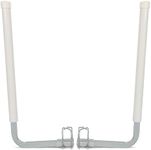
Choosing the right boat trailer guides can make loading, unloading, and transporting your boat much easier and safer. Trailer guides help you align your boat properly on the trailer, especially in windy conditions or strong currents. When picking the best guides for your needs, it's important to consider the size and type of your boat, the waters you usually launch in, and how often you use your trailer. Understanding the key features will help you select guides that make your boating experience smoother and protect your boat from damage.Guide TypeBoat trailer guides generally come in two main types: bunk guides and roller guides. Bunk guides are padded boards that help cradle the boat and keep it centered, while roller guides use wheels to help guide the boat onto the trailer. Bunk guides are great for providing support and are gentle on the boat's hull, making them ideal for fiberglass or delicate boats. Roller guides are better for heavier boats or when you need extra help getting the boat onto the trailer, especially in shallow or uneven ramps. To pick the right type, think about your boat's weight, hull material, and how much assistance you need during loading.
Height of GuidesThe height of the trailer guides determines how visible and effective they are when you're loading your boat. Shorter guides (around 18-24 inches) are suitable for smaller boats and calm waters, while taller guides (up to 48 inches or more) are better for larger boats or when launching in deep or rough water. Taller guides are easier to see from the driver's seat and provide more guidance, but may not be necessary for smaller boats. Consider the size of your boat and the typical water conditions to choose the right height for your needs.
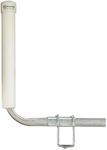
MaterialTrailer guides are usually made from steel, aluminum, or PVC. Steel is strong and durable but can rust if not properly coated, while aluminum is lightweight and naturally resistant to corrosion. PVC guides are popular because they are lightweight, don't rust, and are gentle on your boat's finish. If you use your trailer in saltwater, corrosion resistance is especially important, so aluminum or PVC may be better choices. Think about where you'll be using your trailer and how much maintenance you're willing to do when choosing the material.
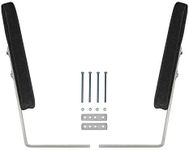
Mounting StyleThe way trailer guides attach to your trailer can affect their stability and ease of installation. Some guides bolt directly to the trailer frame, while others use adjustable brackets to fit different trailer sizes. Fixed mounts are sturdy but may not fit all trailers, while adjustable mounts offer more flexibility. Consider your trailer's design and whether you might want to move or adjust the guides in the future when deciding on a mounting style.
Padding and ProtectionPadding on trailer guides helps protect your boat's hull from scratches and dings during loading and unloading. Some guides come with thick, marine-grade carpet or foam padding, while others may have hard plastic or no padding at all. If your boat has a delicate or painted finish, look for guides with ample, high-quality padding. For aluminum or rugged boats, less padding may be acceptable. Match the level of protection to your boat's needs to keep it looking its best.
Visibility FeaturesSome trailer guides include features like reflective tape or built-in lights to make them easier to see, especially in low light or murky water. High-visibility guides can help you align your boat more accurately and safely, reducing the risk of damage. If you often launch or retrieve your boat in the early morning, evening, or in poor visibility conditions, look for guides with enhanced visibility features to make the process easier.