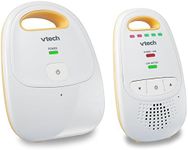
Buying Guide for the Best Battery Powered Baby Monitor
Choosing a battery-powered baby monitor can feel overwhelming with all the features and options available. The key is to focus on what matters most for your family’s needs: safety, convenience, and peace of mind. Start by thinking about where and how you’ll use the monitor—do you need it for travel, for a large house, or just for a single room? Consider how long you’ll need it to run on battery, how far the signal needs to reach, and what kind of alerts or features will help you feel most secure. By understanding the main specifications, you’ll be able to narrow down your choices and find a monitor that fits your lifestyle.Battery LifeBattery life refers to how long the monitor can operate on a single charge or set of batteries. This is important because it determines how often you’ll need to recharge or replace batteries, which affects convenience and reliability. Short battery life (under 6 hours) may be fine for quick naps or short outings, but could be frustrating for overnight use. Medium battery life (6-12 hours) is suitable for most daily routines, while long battery life (over 12 hours) is ideal for overnight monitoring or travel. Think about your typical usage—if you need the monitor to last through the night or during long trips, prioritize longer battery life.
RangeRange is the maximum distance the monitor can transmit audio or video between the baby unit and the parent unit. This matters if you have a large home, thick walls, or plan to use the monitor outside. Short range (up to 300 feet) works well for small apartments or when you’re always nearby. Medium range (300-800 feet) covers most average-sized homes, while long range (over 800 feet) is best for large houses or if you want to use the monitor in the yard. Consider the size of your living space and where you’ll be using the monitor most often.
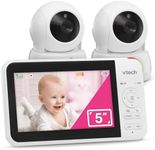
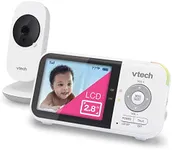
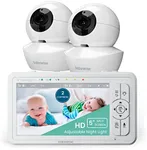
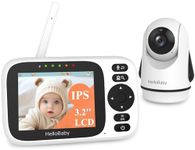
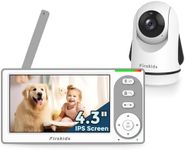
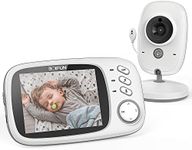
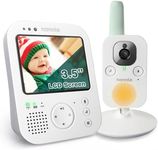
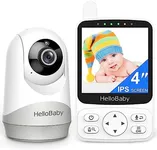
Audio vs. VideoSome monitors only transmit sound, while others provide both audio and video. Audio-only monitors are simpler, use less battery, and are often more portable. Video monitors let you see your baby, which can be reassuring, but they use more power and may be bulkier. If you just want to hear when your baby wakes or cries, audio may be enough. If you want to check on your baby visually without entering the room, a video monitor is a better fit. Think about what will make you feel most comfortable and secure.
PortabilityPortability refers to how easy it is to move the monitor around or take it with you. Lightweight, compact monitors are easier to carry from room to room or pack for travel. Some monitors have built-in clips or stands for added convenience. If you plan to use the monitor in different locations or while traveling, look for a model that’s easy to transport and set up.
Alert FeaturesAlert features include things like sound or vibration notifications, out-of-range warnings, and low battery alerts. These features help ensure you don’t miss important signals, even if you’re busy or in a noisy environment. If you’re often multitasking or worried about missing a cry, look for monitors with strong alert systems. Decide which types of alerts will help you feel most confident and choose accordingly.
Night VisionNight vision is a feature in video monitors that lets you see your baby clearly in low light or darkness. This is important for overnight monitoring, as it allows you to check on your baby without turning on lights and disturbing their sleep. If you want to use the monitor at night, make sure it has reliable night vision. If you only need audio, this feature may not be necessary.