Buying Guide for the Best Asphalt Crack Fillers
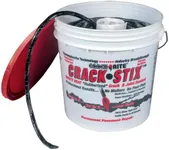
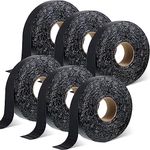
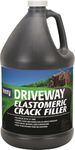
Choosing the right asphalt crack filler is important for maintaining driveways, parking lots, or any paved surface. The main goal is to prevent water and debris from getting into cracks, which can cause further damage over time. When shopping for a crack filler, you should consider the type of cracks you have, the climate in your area, and how much traffic the surface gets. Understanding the key specifications will help you select a product that is effective, long-lasting, and easy to apply for your specific needs.Type of FillerThe type of crack filler refers to the material used, such as liquid, solid, or rubberized compounds. This is important because different types are suited for different crack sizes and repair needs. Liquid fillers are easy to pour and work well for small, hairline cracks, while rubberized or solid fillers are better for larger, wider cracks and provide more flexibility. To choose the right type, look at the size and depth of the cracks you need to repair. For fine cracks, a liquid filler is usually enough, but for bigger or more active cracks, a rubberized or solid filler will last longer and move with the pavement.
Drying or Curing TimeDrying or curing time is how long the filler takes to set and become ready for use. This matters because it affects how soon you can use the surface after repair. Some fillers dry in just a few hours, while others may need a full day or more. If you need to use the area quickly, look for a fast-drying product. If time is not a concern, a slower-curing filler may offer a stronger, more durable repair. Always check the product instructions and match the drying time to your schedule and needs.
Flexibility and DurabilityFlexibility and durability refer to how well the filler can expand and contract with temperature changes and withstand traffic. This is important because asphalt surfaces move with weather and use, and a filler that is too rigid may crack again. Flexible fillers, often rubberized, are best for areas with wide temperature swings or heavy traffic. If your climate is mild and the area is not heavily used, a less flexible filler may be sufficient. Consider your local weather and how much the surface is used to pick the right level of flexibility and durability.
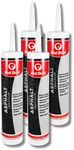
Application MethodThe application method describes how the filler is put into the crack, such as squeeze bottles, pourable jugs, or caulking guns. This matters because some methods are easier and cleaner than others, especially for beginners. Squeeze bottles and pourable fillers are simple for small jobs, while caulking guns or trowel-applied fillers are better for larger or deeper cracks. Think about the size of your project and your comfort with DIY repairs to choose an application method that matches your skills and the job size.
Weather ResistanceWeather resistance is how well the filler stands up to rain, sun, snow, and temperature changes. This is important because outdoor surfaces are exposed to the elements, and a filler that breaks down quickly will need to be replaced more often. Some fillers are specially formulated to resist UV rays, water, and freeze-thaw cycles. If you live in an area with harsh weather, look for a product with high weather resistance. For milder climates, standard fillers may be enough.