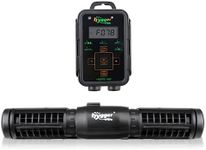
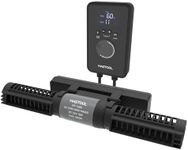
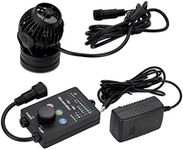
Buying Guide for the Best Aquarium Wave Maker
Choosing the right aquarium wave maker is important for maintaining a healthy and vibrant aquatic environment. Wave makers help circulate water, ensuring even distribution of heat, oxygen, and nutrients, which is essential for the well-being of fish and plants. When selecting a wave maker, it's important to consider the size of your tank, the type of aquatic life you have, and the kind of water movement you want to achieve. Understanding the key specifications will help you make an informed decision that best suits your aquarium's needs.Flow Rate (GPH/LPH)Flow rate, usually measured in gallons per hour (GPH) or liters per hour (LPH), indicates how much water the wave maker can move in a given time. This is important because different aquariums and aquatic species require different levels of water movement. Lower flow rates are suitable for small tanks or delicate species that prefer gentle currents, while higher flow rates are better for larger tanks or species that thrive in strong currents. To pick the right flow rate, consider the size of your tank and the needs of your fish and plants. A good rule of thumb is to aim for a flow rate that circulates the entire volume of your tank several times per hour, but always check the preferences of your specific aquatic inhabitants.
Control OptionsControl options refer to how much you can adjust the wave maker's settings, such as speed, wave patterns, and timing. Some wave makers offer simple on/off functionality, while others allow you to customize the flow intensity and create different wave effects. More advanced models may include remote controls or programmable settings. If you want to mimic natural water movements or have sensitive species, adjustable controls can be very useful. Choose a wave maker with control options that match your level of experience and the needs of your aquarium.
Mounting TypeMounting type describes how the wave maker attaches to your aquarium. Common options include suction cups, magnets, or clamps. Suction cups are easy to install but may lose grip over time, while magnetic mounts provide a stronger and more reliable hold, especially in larger tanks. Clamps are less common but can be useful for certain setups. Consider the thickness of your aquarium glass and the placement flexibility you need when choosing a mounting type.
Noise LevelNoise level refers to how much sound the wave maker produces during operation. This is important if your aquarium is in a quiet room or if you are sensitive to background noise. Some wave makers are designed to be ultra-quiet, while others may produce a noticeable hum. If noise is a concern for you, look for models that are specifically advertised as quiet or read user reviews to get an idea of their performance.
Energy EfficiencyEnergy efficiency indicates how much electricity the wave maker uses. Since wave makers often run continuously, choosing an energy-efficient model can help reduce your electricity bills and environmental impact. Energy-efficient wave makers are especially important for larger tanks or setups with multiple devices. Check the power consumption (usually listed in watts) and compare it with other models to find a balance between performance and efficiency.
Durability and Build QualityDurability and build quality refer to how well the wave maker is constructed and how long it is likely to last. A well-built wave maker will resist corrosion, especially in saltwater tanks, and continue to function reliably over time. Look for models made from high-quality materials and with good seals to prevent water damage. If you plan to use the wave maker in a saltwater aquarium, make sure it is rated for that environment.