Buying Guide for the Best Air Conditioner Window Unit
Choosing the right window air conditioner can make a big difference in your comfort during hot weather. The best approach is to match the unit’s capabilities to the size of your room and your specific needs. Think about where you’ll install it, how often you’ll use it, and any special features that might make your life easier. Understanding the key specifications will help you make a smart choice that keeps you cool and saves energy.Cooling Capacity (BTU)Cooling capacity, measured in BTUs (British Thermal Units), tells you how much heat the air conditioner can remove from a room per hour. This is important because a unit that’s too small won’t cool your space effectively, while one that’s too large may cool too quickly without removing enough humidity, leaving the room feeling damp. BTU ratings for window units usually range from about 5,000 to 24,000. Smaller rooms (like bedrooms or offices up to 150 square feet) need lower BTUs, while larger spaces (like living rooms or open areas) require higher BTUs. To pick the right one, measure your room and check a BTU chart to match the size. Also, consider factors like ceiling height, sunlight, and how many people use the room, as these can affect your cooling needs.
Energy Efficiency Ratio (EER/CEER)The Energy Efficiency Ratio (EER) or Combined Energy Efficiency Ratio (CEER) shows how efficiently the air conditioner uses electricity to cool your space. A higher number means better efficiency, which is important for saving on electricity bills and being environmentally friendly. EER values typically range from about 8 to 12. If you plan to use the unit often or for long periods, look for a higher EER/CEER. If you’ll only use it occasionally, efficiency may be less critical. Always check the energy label to compare models.
Noise Level (dB)Noise level, measured in decibels (dB), tells you how loud the air conditioner will be when running. This matters if you’re installing it in a bedroom, study, or any place where quiet is important. Lower dB values mean quieter operation. Window units can range from about 40 dB (very quiet) to over 60 dB (noticeably loud). If you’re sensitive to noise or need a peaceful environment, look for units with lower noise ratings. For living rooms or kitchens, a slightly higher noise level may be acceptable.
Installation and SizeThe physical size and installation requirements of the unit are important because the air conditioner must fit securely in your window. Measure your window’s width and height before shopping, and check the unit’s dimensions. Some units are designed for standard windows, while others fit sliding or casement windows. Also, consider the weight of the unit if you’ll need to install or remove it seasonally. If you have a non-standard window or limited space, look for compact or specially designed models.
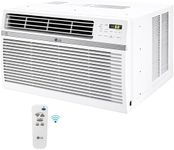
Controls and FeaturesModern window air conditioners come with various controls and features, such as remote controls, programmable timers, sleep modes, and smart connectivity. These features can make using the unit more convenient and help you save energy. For example, a timer lets you set the unit to turn on or off automatically, while smart features allow you to control the unit from your phone. Think about which features would make your life easier and choose a unit that offers them.
Air Filtration and MaintenanceAir conditioners have filters that trap dust and allergens, helping to improve indoor air quality. Some units have washable or reusable filters, while others require replacements. Easy-to-access filters make maintenance simpler, which is important for keeping the unit running efficiently. If you have allergies or want cleaner air, look for units with enhanced filtration. Regular maintenance is key, so choose a unit that makes it easy to clean or replace the filter.