Buying Guide for the Best Acoustic Underlayments
Choosing the right acoustic underlayment is important if you want to reduce noise between floors or rooms and improve the comfort of your space. Acoustic underlayments are materials installed beneath flooring to absorb sound, minimize impact noise (like footsteps), and sometimes add a bit of insulation. The best choice depends on your flooring type, the level of soundproofing you need, and the specific conditions of your home or building. Understanding the key specifications will help you make a decision that fits your needs and ensures a quieter, more comfortable environment.Sound Transmission Class (STC)STC is a rating that measures how well a material blocks airborne sounds, such as voices or music, from passing through walls or floors. A higher STC rating means better sound blocking. STC ratings for underlayments typically range from the low 40s to the high 60s. If you live in an apartment or want to keep noise from traveling between rooms, look for a higher STC. For less critical areas, a lower STC may be sufficient. Think about how much privacy or quiet you need in the space to guide your choice.
Impact Insulation Class (IIC)IIC measures how well a material reduces impact noises, like footsteps or dropped objects, from traveling through the floor. A higher IIC rating means better impact noise reduction. IIC ratings usually range from the 40s to the 70s. If you have hard flooring like laminate or tile, or if you live above someone else, a higher IIC is important. For ground-level rooms or areas where impact noise isn’t a big concern, a lower IIC may be acceptable. Consider the type of flooring and the rooms above and below when deciding what IIC you need.
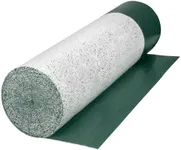
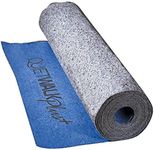
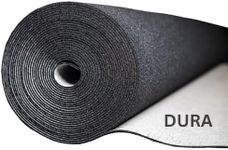
Material TypeAcoustic underlayments come in various materials, such as foam, rubber, cork, felt, or fiber. Each material has its own strengths: rubber and cork are durable and offer good sound absorption, foam is lightweight and easy to install, and felt or fiber can provide both sound and thermal insulation. The right material depends on your flooring type (some are better for hardwood, others for tile or carpet), your preference for eco-friendly options, and any allergies or sensitivities. Match the material to your flooring and personal needs for the best results.
ThicknessThickness refers to how thick the underlayment is, usually measured in millimeters or inches. Thicker underlayments generally provide better sound absorption and cushioning, but may raise the floor height, which can affect doors or transitions to other rooms. Typical thicknesses range from 2mm to 10mm or more. If you need maximum sound reduction or want a softer feel underfoot, go thicker. For minimal height change or when installing under certain types of flooring, a thinner underlayment may be better. Consider your flooring type and how much height you can add.
Moisture ResistanceMoisture resistance indicates how well the underlayment can handle exposure to water or humidity. Some underlayments have built-in vapor barriers or are made from materials that resist mold and mildew. This is especially important for installations in basements, kitchens, or bathrooms. If you’re installing flooring in a potentially damp area, choose an underlayment with good moisture resistance. For dry, above-grade rooms, this may be less critical. Think about the room’s environment to decide how important this feature is for you.
Compatibility with Flooring TypeNot all underlayments work with every type of flooring. Some are designed specifically for laminate, hardwood, vinyl, or tile. Using the wrong underlayment can affect the performance of your floor or even void warranties. Always check that the underlayment is suitable for your chosen flooring. If you’re unsure, look for products labeled as ‘universal’ or consult with your flooring supplier. Matching the underlayment to your flooring type ensures the best results and long-term durability.